
Discover what goes into professional landscape design, from the initial site assessment and planning to planting, outdoor features and the completed garden.
When you look at a beautifully landscaped property, it’s easy to focus on the finished result: the trees, planting, pathways, lawns and outdoor entertainment areas. What you don’t necessarily see is the planning that went into bringing all those elements together. A successful landscape involves considerably more than choosing attractive plants and deciding where to put them. The layout needs to work with the property’s natural features, the planting must suit the local conditions, and the finished space should reflect how the people who use it want to live and move outdoors.
This is the work of a landscape designer. Whether you’re building a new home, renovating an established garden or developing a larger residential or commercial property, professional landscape design helps turn an initial idea into a considered plan that can be implemented successfully.
What Is a Landscape Designer?
A landscape designer plans outdoor environments, bringing together the natural and built elements of a property to create spaces that are visually appealing and practical to use.
The work can involve much more than planting schemes. Depending on the project, it may include assessing the site, developing layouts, selecting plants and materials, planning pathways and entertainment areas, and considering important practical elements such as irrigation, drainage and lighting.
Every property presents different opportunities and challenges. A small residential garden requires a different approach to a large estate or commercial development, and the design needs to reflect the scale, surroundings and intended use of the space.
At The Landscape Design Company, each project starts with understanding the property and the people who will use it. The design needs to make sense for both.
1. Understanding the Property and Your Requirements
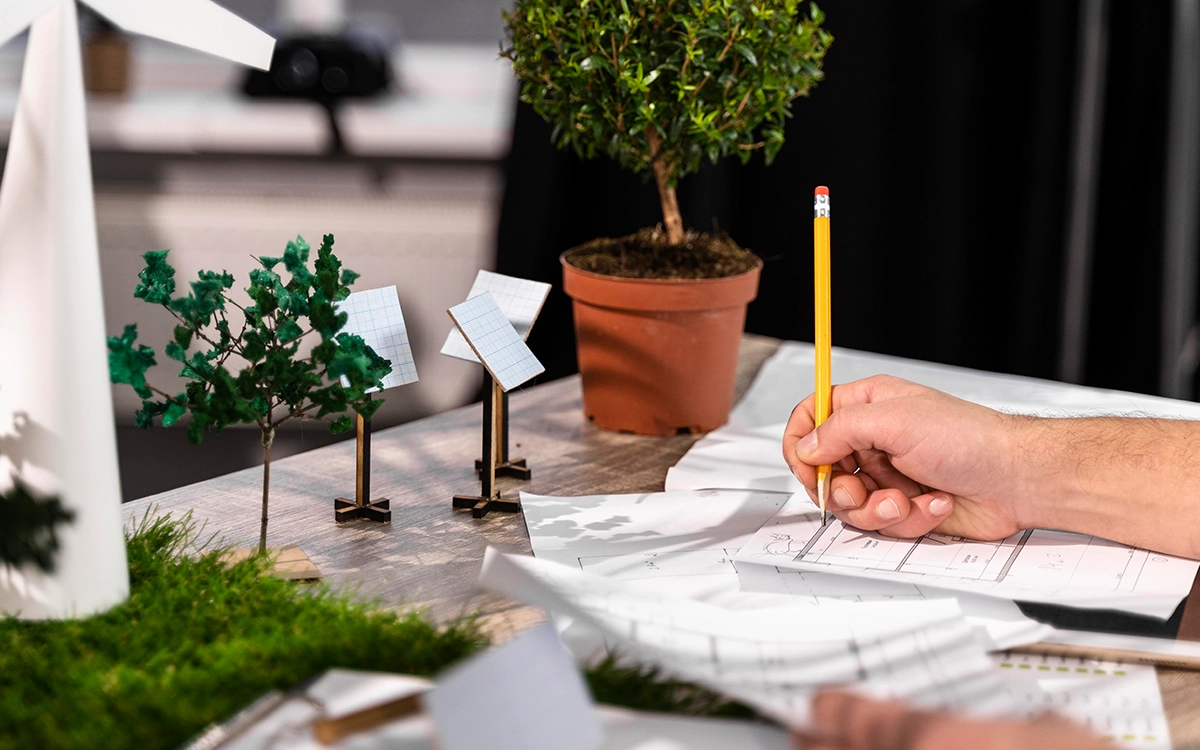
Before putting together a design, it’s important to understand what the outdoor space needs to achieve. Some homeowners want a garden where children can play, while others are looking for a private retreat, an entertainment area or a low-maintenance landscape. Commercial clients and property developers may have entirely different priorities, including visitor access, communal spaces, visual appeal and the overall identity of the development.
The existing property also needs to be assessed. This includes its size and layout, sunlight and shade patterns, soil conditions, drainage, existing vegetation, slopes, access points and any structures that could influence the design. Budget and ongoing maintenance requirements are equally important, as these help determine which ideas are practical and sustainable in the long term.
Taking the time to understand these details at the beginning helps avoid unnecessary changes later and gives the design a much stronger foundation.
2. Developing the Landscape Design
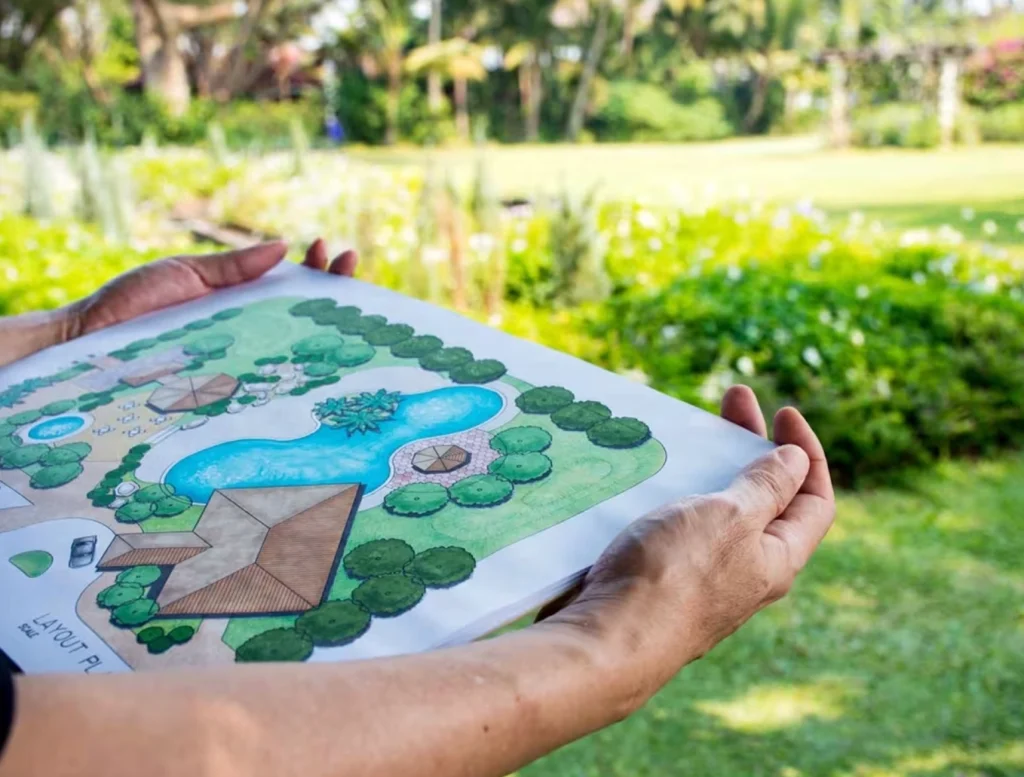
Once the site and project requirements are understood, the design process moves into planning the layout and deciding how the different elements should work together.
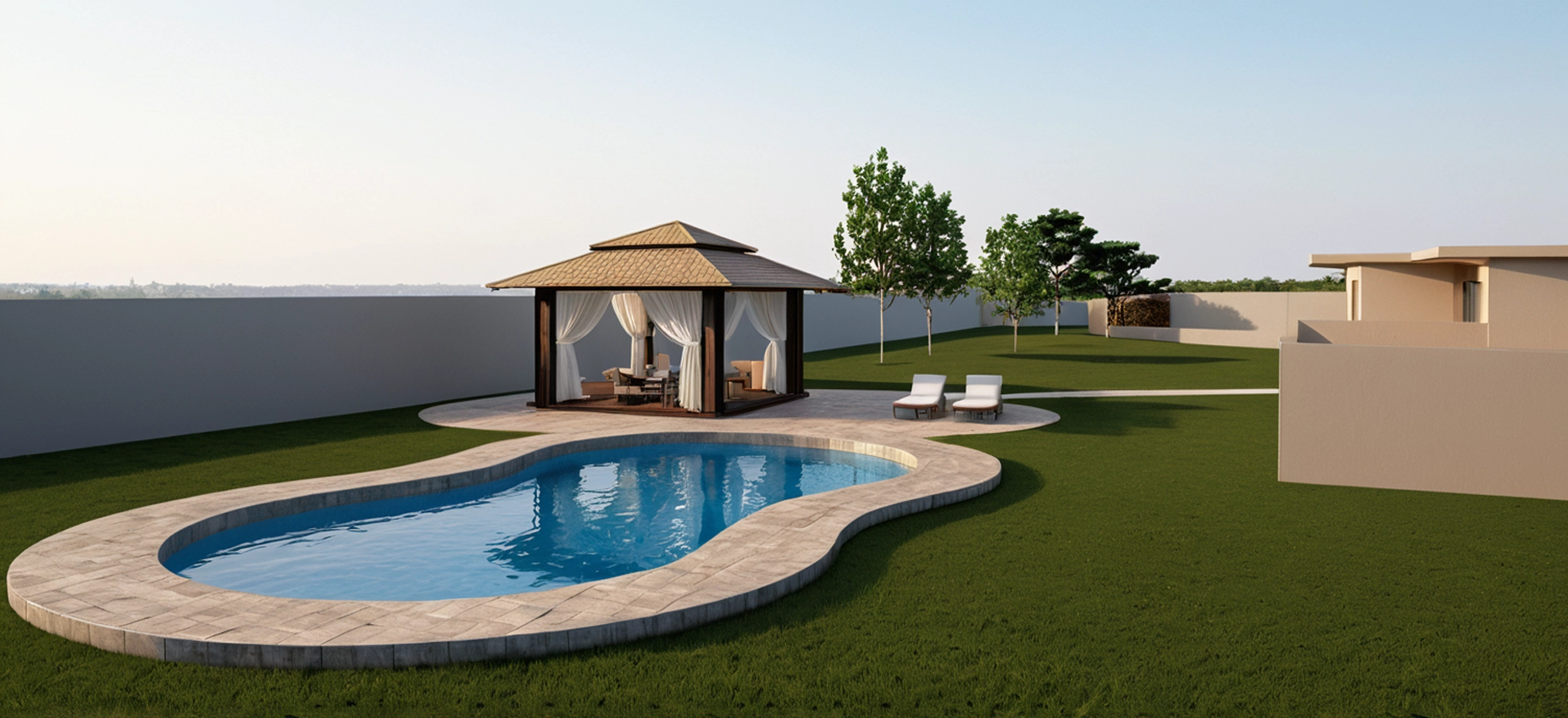
Depending on the project, a landscape design may incorporate lawns, garden beds, trees, shrubs, pathways, paving, patios, pergolas, water features, screening, lighting and outdoor entertainment areas. Their placement isn’t arbitrary. A pathway needs to provide convenient access, an entertainment area should be positioned with the property’s layout in mind, and planting should complement rather than obstruct important views.
Proportion and flow are also important. A large feature can overwhelm a small garden, while poorly positioned garden beds can make an otherwise generous outdoor space feel cramped. The aim is to establish a layout in which the various elements feel connected and serve a purpose.
A detailed plan gives everyone involved a clearer understanding of the intended result before installation begins, making it easier to coordinate the work and manage the project.
A detailed plan gives everyone involved a clearer understanding of the intended result before installation begins, making it easier to coordinate the work and manage the project.
3. Selecting Plants That Suit the Environment
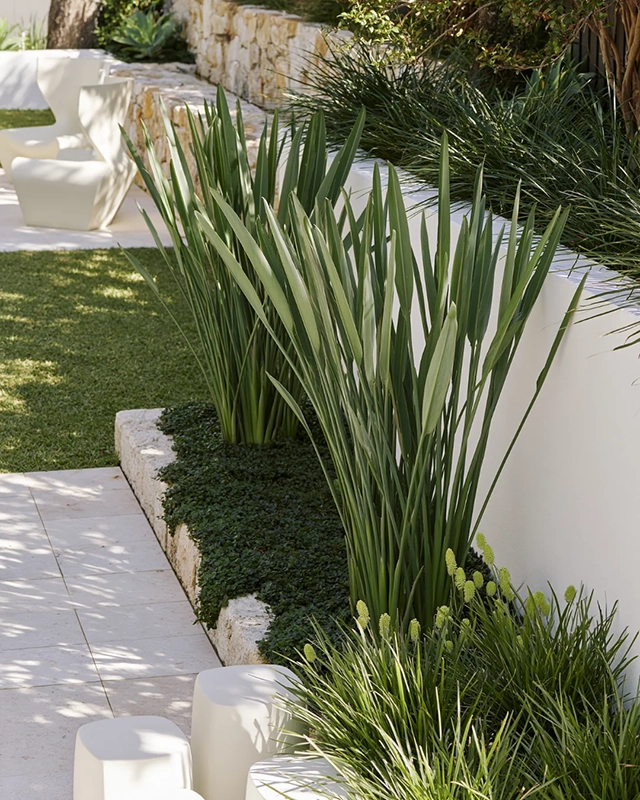
Choosing plants is one of the more creative parts of landscape design, but appearance is only one consideration. A plant that looks wonderful in a nursery may struggle once it’s exposed to the wrong soil conditions, too much sunlight or insufficient water.
A planting scheme needs to account for the local climate, soil type, drainage, sunlight, water requirements and the eventual size of each plant. In South Africa, regional differences are particularly important. Plants that perform well in one part of the country may not be suitable for another, so local conditions should always influence the selection.
Indigenous and climate-appropriate plants can be valuable additions to a landscape, offering opportunities to support local biodiversity while creating interesting combinations of colour, foliage and texture. Aloes, agapanthus and strelitzias, for example, can all contribute to a planting scheme when their growing requirements and mature sizes are taken into account.
The arrangement of plants matters just as much as the selection itself. Combining different heights, shapes, foliage and flowering periods creates a more interesting garden throughout the year, while appropriate spacing allows plants to establish without competing for space.
4. Creating Outdoor Spaces That Work
People should always come first when designing a garden. For a homeowner, this might mean adding a comfortable patio, a shaded seating area, a swimming pool with suitable surrounding plants or a lawn where children can play. The layout should also connect these areas naturally to the house and provide easy access between them.
Residential estates and commercial developments often have more extensive requirements. Designers need to plan shared gardens, pedestrian routes, landscaped entrances and recreational areas around the needs of the people who live, work and visit there.
5. Considering Irrigation, Drainage and Water Management
Some of the most important decisions in landscape design aren’t immediately visible once the garden is finished. Irrigation and drainage, for example, play a major role in how well a landscape performs, particularly in South Africa, where water availability and seasonal rainfall vary considerably.
A well-designed irrigation system provides adequate coverage without wasting water, while effective drainage directs rainfall away from areas where it could cause problems. Poor drainage can leave garden beds waterlogged, erode soil, damage lawns and allow water to collect around buildings. Addressing these issues during the planning stage is far easier than fixing them after the landscaping work is complete.
Designers can also improve water efficiency by selecting water-wise plants, creating suitable irrigation zones, incorporating mulch and improving soil conditions. Depending on the property, they may also recommend rainwater harvesting or other stormwater management solutions.
By planning for these practical requirements from the outset, landscape designers help protect the finished garden and prevent avoidable problems down the line.
6. Managing the Installation and Implementation
A landscape design needs to translate successfully from a plan into a finished outdoor environment. Depending on the scope of the project and the services provided, implementation may involve site preparation, earthworks, paving, construction of outdoor features, soil improvements, planting, lawn installation and irrigation.
The order in which these elements are completed is important. Drainage and underground services, for example, need attention before certain hard landscaping and planting work begins. Installing features in the wrong sequence can lead to unnecessary rework, additional costs and damage to completed areas.
Coordination between the different stages helps ensure that the finished landscape reflects the original design. At The Landscape Design Company, the process extends from developing the initial concept through to bringing the planned outdoor environment to life.
7. Adding Value and Making Better Use of Your Property
A well-designed landscape can make a meaningful difference to how a property looks, feels and functions. For homeowners, an attractive and usable garden can improve everyday living, create additional space for entertaining and contribute to the property’s overall kerb appeal.
For commercial properties and residential developments, landscaping also influences how people experience the site. A thoughtfully designed entrance creates a welcoming first impression, while well-planned communal spaces can make a development more attractive and enjoyable for residents and visitors.
The benefits aren’t limited to appearance. A practical layout, appropriate plant selection and carefully considered infrastructure can also make the landscape easier to maintain and more suited to its surroundings.
Why Hire a Professional Landscape Designer?
There is nothing wrong with enjoying gardening as a DIY project, and you can certainly tackle smaller improvements independently. However, a larger landscaping project involves several interconnected decisions, and getting those decisions right from the beginning can save considerable time and expense.
Professional landscape design brings a structured approach to the process, helping you make better use of the available space and avoid common problems such as unsuitable plant choices, poor drainage, awkward layouts and features that don’t work well together.
It also gives you a clearer picture of the finished landscape before work begins. Rather than making individual decisions as the project progresses, you have an overall plan to guide the work, manage priorities and keep the different elements consistent.
When Should You Involve a Landscape Designer?
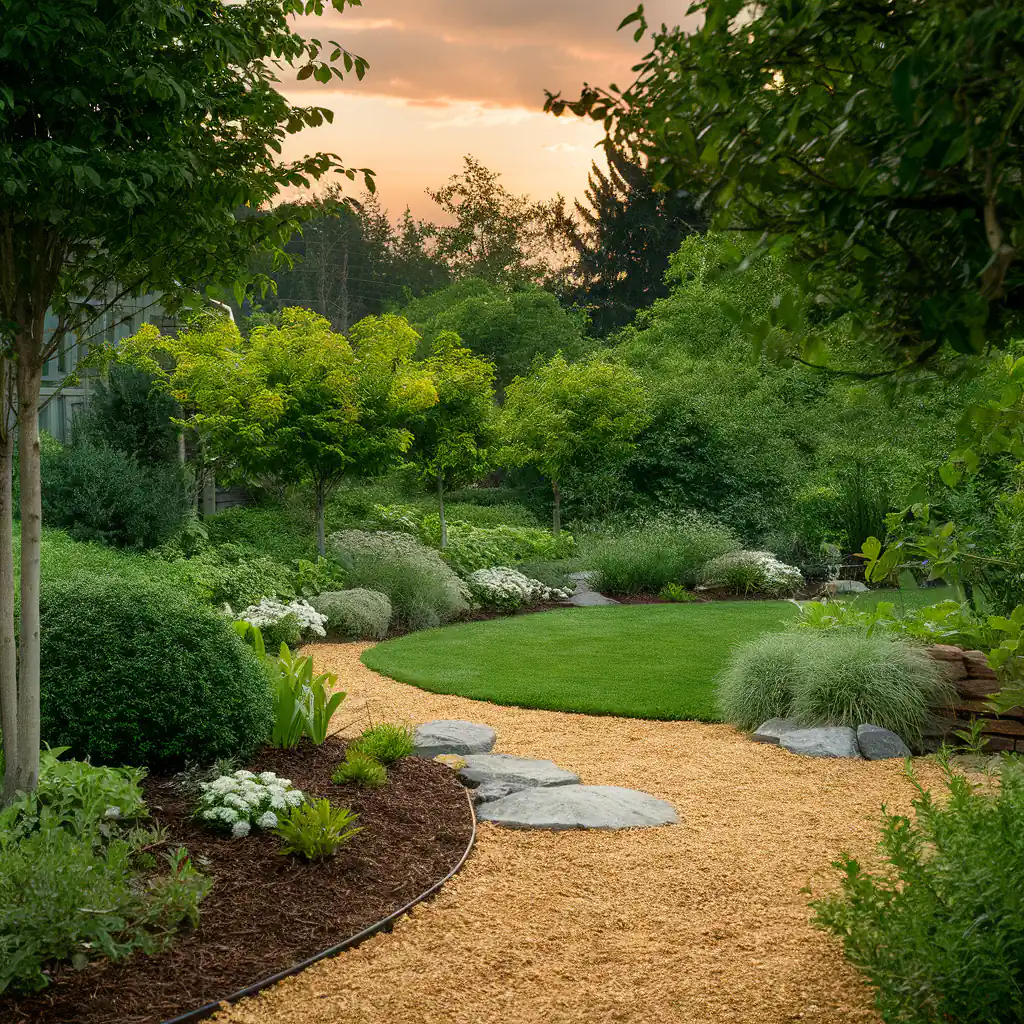
Ideally, landscape design should form part of the early planning stages of a new build or property development. Considering the outdoor environment alongside the building design allows for better coordination of access, levels, drainage, outdoor living areas and the relationship between indoor and outdoor spaces.
That doesn’t mean an established garden needs to be completely replaced to benefit from professional input. An existing landscape may simply need a new layout, improved planting, better use of available space or solutions to recurring problems. Even if you’re only planning to upgrade certain areas, having a broader design in place can help ensure that new additions complement what is already there.
Whether you’re starting with a blank canvas or rethinking an established property, the earlier you consider the overall design, the more options you have available.
Planning Your Next Landscaping Project?
A successful landscape is the result of many individual decisions working together, from the position of a single tree to the layout of an entire property. Getting the planning right makes it easier to create an outdoor environment that suits its surroundings, meets your requirements and remains enjoyable as it matures.
The Landscape Design Company works with homeowners, property developers and commercial clients to create considered outdoor environments, taking projects from the initial design concept through to implementation.
If you’re planning a new garden or considering changes to an existing property, we’d be happy to discuss your ideas.
📞 Phone Us
💻 The Landscape Design Company
📧 Gavin@thelandscapedesigncompany.co.za