

October is when South African gardens begin to shift gears. Across the Highveld and other summer-rainfall regions, warmer temperatures, longer days and the return of seasonal rain bring noticeable changes to the landscape. Trees push out fresh foliage, lawns become more active and flowering plants bring colour back into gardens after the quieter winter months.
It’s also the time of year when we naturally begin spending more time outdoors. Patios become places for morning coffee and evening drinks, pools become gathering points and weekends bring family, friends and the inevitable South African braai. But while the return of warmer weather is something to enjoy, it also brings new demands for the landscape.
Good summer garden preparation isn’t simply about making the garden look fresh for the season ahead. It means considering how the landscape will respond to heat, heavy rainfall, rapid plant growth and increased use, and addressing potential problems before they become bigger ones.
At The Landscape Design Company, we believe a successful summer garden starts with looking at the property as a whole. Planting, soil, drainage, irrigation, shade and outdoor living areas all influence how well a landscape performs, and the decisions made now can shape the garden for seasons to come.
Start by Looking at Your Garden Differently
Before rushing out to replace tired plants or introduce new colour, take some time to look at what has changed since winter. Are there areas where water tends to collect? Has the lawn deteriorated? Are certain plants consistently struggling despite regular care? Have trees or shrubs become too large for their positions, or are there parts of the garden that remain noticeably underused?
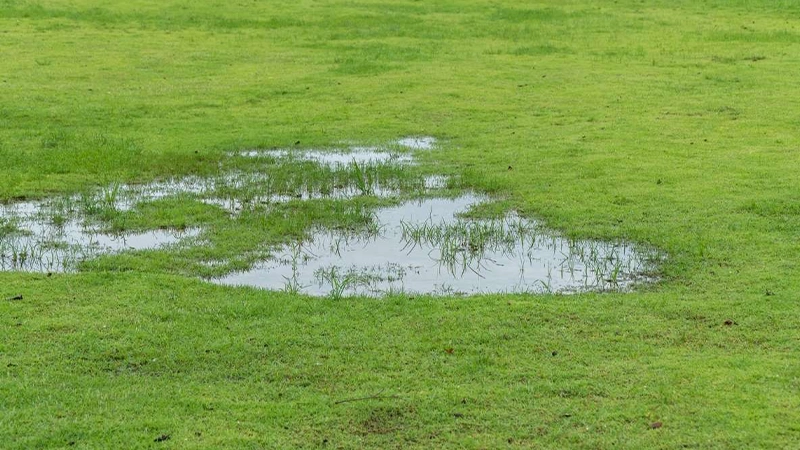
These observations can reveal more than individual maintenance problems. A plant that repeatedly fails may be growing in the wrong position, while a constantly soggy section of lawn could indicate a drainage issue. An entertainment area that becomes unbearably hot in the afternoon may need better shade rather than more furniture.
Looking at these problems as part of the wider landscape often leads to better solutions than simply treating each symptom individually. Sometimes a relatively small change to the layout, planting or circulation can improve several aspects of the garden at once.
Get Your Planting Ready for the Growing Season
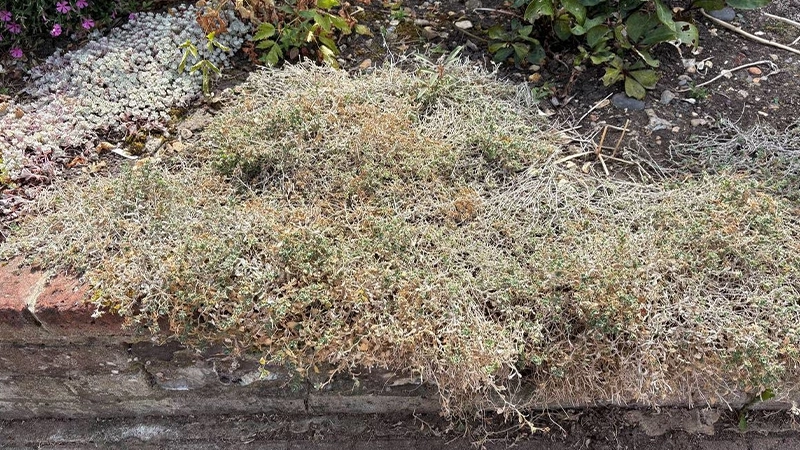
Warmer weather encourages rapid growth, making October a useful time to assess existing planting and decide where changes are needed. That doesn’t necessarily mean filling every empty space. A successful planting scheme needs a balance of structure, texture and seasonal interest, while giving individual plants enough room to reach their mature size.
Different layers of planting can create depth without making the garden feel overcrowded. Trees and larger shrubs establish structure, smaller shrubs and perennials add colour and texture, while grasses and groundcovers can soften transitions between planting beds and other areas of the landscape.
This is also a good time to reconsider plants that consistently struggle in their current positions. Sun exposure, soil conditions, drainage and water requirements all influence whether a plant is likely to thrive, so choosing plants according to their environment rather than simply their appearance can result in a healthier and more manageable garden.
For South African landscapes, indigenous and climate-suited plants can provide additional resilience while introducing colour, texture, seasonal interest and habitat for local wildlife. The aim isn’t to create a garden packed with plants, but one where the planting works together and suits the conditions in which it has to grow.
Prepare the Soil Before Growth Accelerates
What happens below ground has a direct effect on what happens above it. After the dry winter months, garden beds may need attention before plants enter their most active period of growth. Compaction, poor drainage or a lack of organic matter can all affect root development and the ability of soil to hold and release water effectively.
Improving soil structure where necessary can give plants a stronger foundation for the growing season. Adding suitable organic material can improve the soil’s physical condition and support healthier root growth, while addressing drainage problems can prevent plants from sitting in water during periods of heavy rainfall.
Mulching is another useful part of summer preparation. A suitable layer of mulch can reduce moisture loss, moderate soil temperatures and suppress weeds while gradually contributing organic matter as it breaks down. These changes may not produce the most dramatic before-and-after photographs, but they can have a significant effect on how successfully a garden performs through the summer.
Prepare for the Return of Summer Rain
For Gauteng and other summer-rainfall regions, the return of thunderstorms is one of the biggest seasonal changes a landscape needs to accommodate. A garden that copes perfectly well with winter conditions can behave very differently when heavy rain arrives.
Water may collect against buildings, run across paving or erode exposed soil. Garden beds can become waterlogged, while compacted areas may prevent rainfall from soaking into the ground effectively. These problems can damage planting, affect lawns and create ongoing maintenance issues if they aren’t addressed.
Landscape design should therefore consider how water moves through the entire property. Levels, soil conditions, planting, paving and drainage all influence where rainfall goes and how quickly it moves. The objective isn’t simply to remove water from the site as quickly as possible, but to manage it in a way that protects buildings and usable spaces while allowing the landscape to cope with both heavy rainfall and the dry periods between storms.
Make Every Drop Count
The return of summer rainfall doesn’t eliminate the need for efficient irrigation. Rainfall can be unpredictable, and as temperatures rise, plants enter their most active growing period and may require additional water between storms.
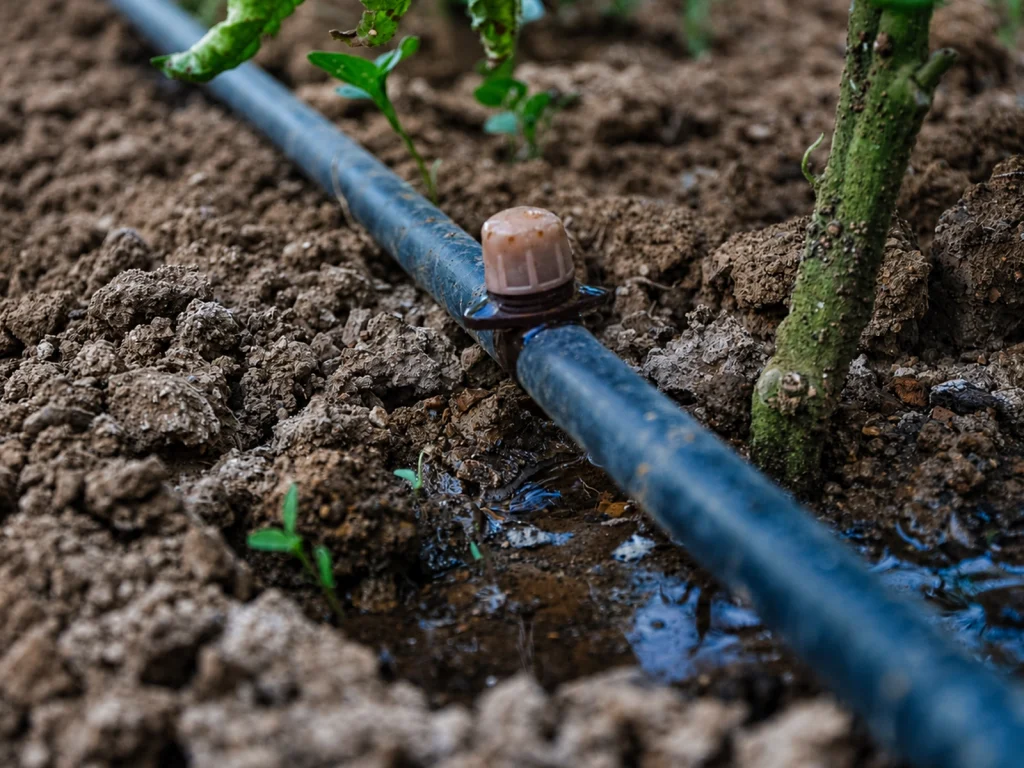
October is a good time to check whether an existing irrigation system is still doing what it should. Sprinklers may no longer be positioned correctly, established plants may require different amounts of water than they did when they were first planted, and leaks or blocked components can quietly waste water.
Different parts of a garden can also have very different requirements. Lawns, established trees, shaded planting and flower beds shouldn’t necessarily all be watered in the same way. Grouping plants with similar water needs and creating appropriate irrigation zones can make the system more efficient while giving plants the moisture they actually need.
Good water management isn’t about sacrificing a lush, beautiful garden. It’s about designing the landscape so that water is used where it provides the greatest benefit.
Plan for Heat and Shade
The first warm days of October can be pleasant, but by the middle of summer some areas of the garden may become considerably less comfortable. Shade therefore deserves attention before the hottest part of the season arrives.
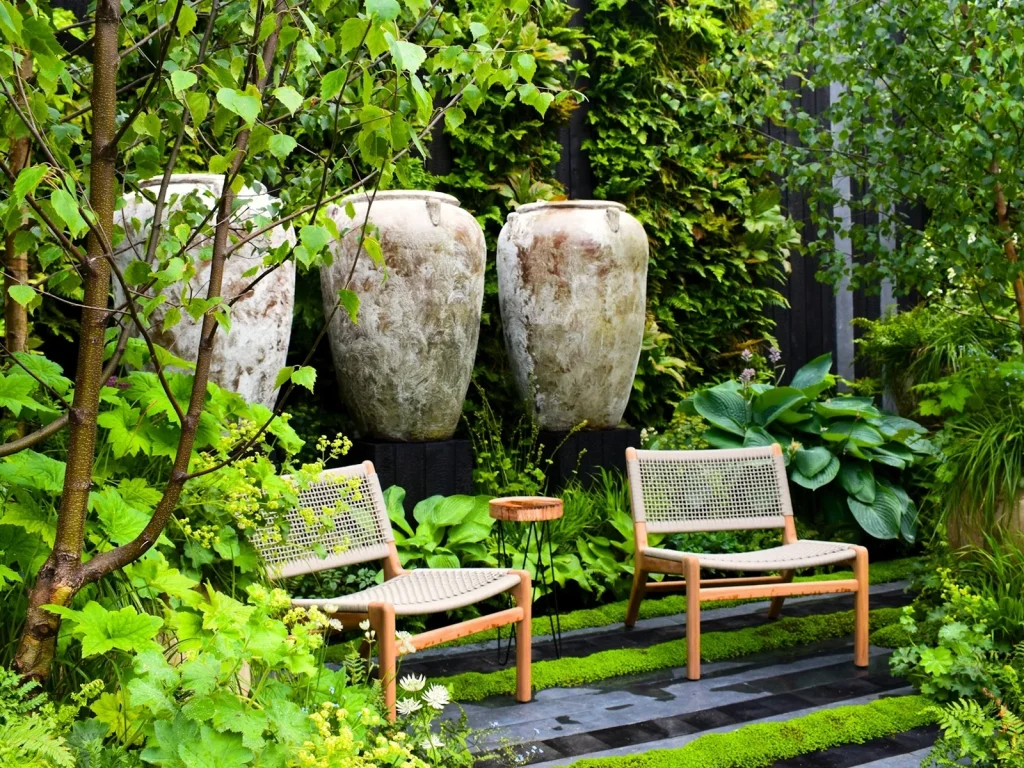
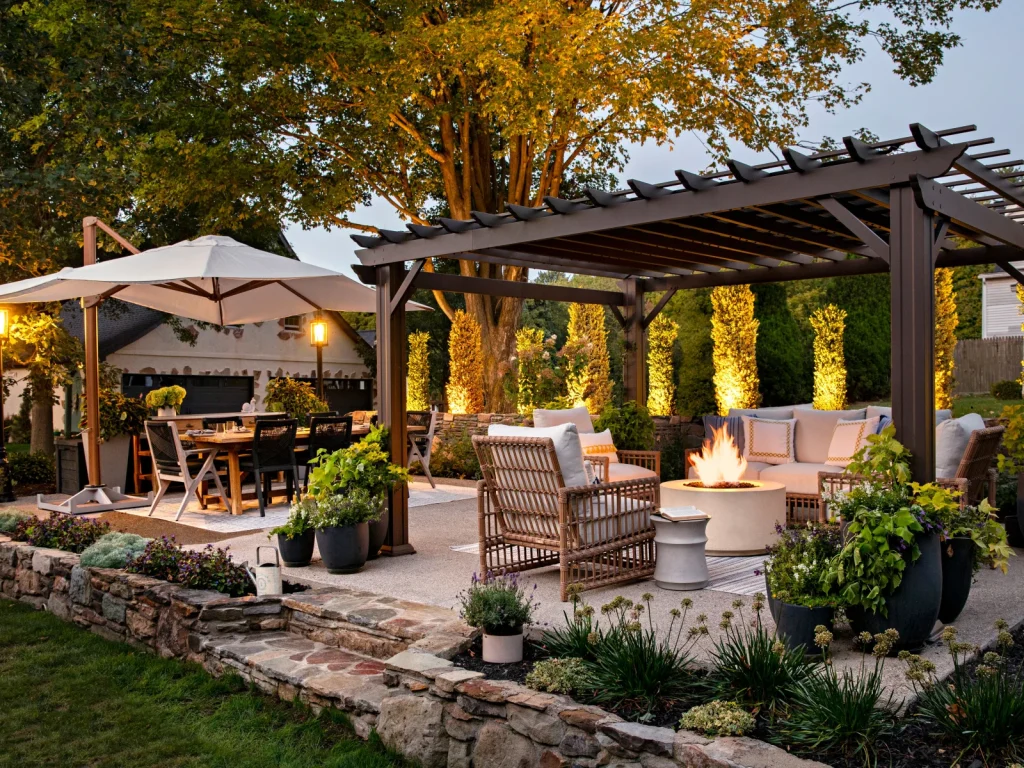
Established trees can provide valuable natural shade while also contributing height, structure and character to the landscape. Pergolas, covered patios and strategically positioned screens can provide additional protection around areas where people spend time, while layered planting can soften hard surfaces and help create a more comfortable environment.
The position and eventual size of trees should be considered carefully. A tree that provides welcome shade can become problematic if planted too close to a building, paving or underground services, while a poorly positioned tree may fail to provide shade where it is actually needed.
Planning shade as part of the wider landscape is generally more effective than trying to solve the problem once the hottest days have arrived.
Make the Garden Work for Summer Living
Summer also changes how many South African households use their outdoor spaces. Pools become busier, patios become dining areas and evenings outside become part of the normal rhythm of the week.
That makes October a useful time to consider whether the garden actually supports the way you want to use it. Perhaps the entertainment area is too far from the kitchen, there isn’t enough privacy around the pool, or a pathway makes movement between different areas awkward. An unused section of lawn might also be better suited to seating, planting or another purpose.
These aren’t necessarily problems that planting alone can solve. The relationship between the house, pathways, entertainment areas, planting, shade and privacy all contribute to how naturally people move through and use a garden.
A considered landscape design can bring these elements together so that the garden isn’t simply attractive, but practical and enjoyable throughout the warmer months.
Pay Attention to What Summer Will Reveal
Seasonal changes can expose weaknesses that aren’t always obvious when a garden is dormant. Fast-growing plants may quickly outgrow their positions, heavy rain can reveal drainage problems and areas that seemed comfortably sunny in winter can become intensely hot. As trees mature, they can also change the amount of shade reaching surrounding planting and outdoor areas.
This is why good landscape planning needs to look beyond a single season. Understanding mature plant sizes, growth habits, soil conditions and the long-term relationship between different parts of the garden makes it possible to create a landscape that can adapt as it develops.
The best gardens aren’t designed simply to look impressive immediately after installation. They are designed to establish, mature and continue working for the people who use them.
Summer Shouldn’t Be a Stress Test for Your Garden
October is an opportunity to address problems before they become more difficult during the height of summer. It may be as simple as improving a planting area or repairing irrigation, or it could involve addressing drainage, creating shade or rethinking an outdoor space that no longer works for the household.
Sometimes, however, the problems are connected. A garden that feels too hot may also lack mature trees, poor drainage may be affecting planting, or an awkward layout may be contributing to an outdoor area being underused. Looking at these issues individually can result in a series of temporary fixes, while considering the property as a whole can reveal a much more effective solution.
This is where professional landscape design can make a difference. Instead of solving individual problems one at a time, the entire property can be assessed as a connected environment, taking into account the existing landscape, the surrounding architecture, environmental conditions and the way the garden needs to function.
At The Landscape Design Company, we create landscapes that bring these elements together to produce outdoor spaces that are practical, considered and designed to develop over time.
Make the Most of the Season Ahead
October brings a sense of possibility to South African gardens. It’s a chance to repair what winter left behind, prepare for summer rainfall, introduce new planting and make outdoor areas more comfortable for the months ahead.
But the season can also be a useful prompt to look beyond short-term improvements. If your garden isn’t working as well as it could because of poor flow, outdated planting, drainage challenges, limited shade or underused outdoor areas, a considered landscape design can address the space as a whole.
The Landscape Design Company can help you develop a landscape that brings together planting, functionality, environmental considerations and the way you want to use your property.
Because a garden shouldn’t simply survive another South African summer.
It should be designed to thrive in it.
Ready to Prepare Your Garden for Summer?
Whether you’re refreshing an established garden, landscaping a new home or planning a complete outdoor transformation, The Landscape Design Company can help take your project from concept through to implementation.
Call: 073 932 0334