

Designing and maintaining a beautiful garden in Gauteng can feel like a balancing act. Our climate brings hot summers, sudden thunderstorms, dry winters, and soil conditions that can challenge even experienced gardeners. At The Landscape Design Company, we see the same issues come up time and again — the good news is that most of them have practical, long-lasting solutions. Here are some of the most common garden problems in Gauteng and how to fix them.
1. Poor Soil Quality (Especially Heavy Clay)
The problem:
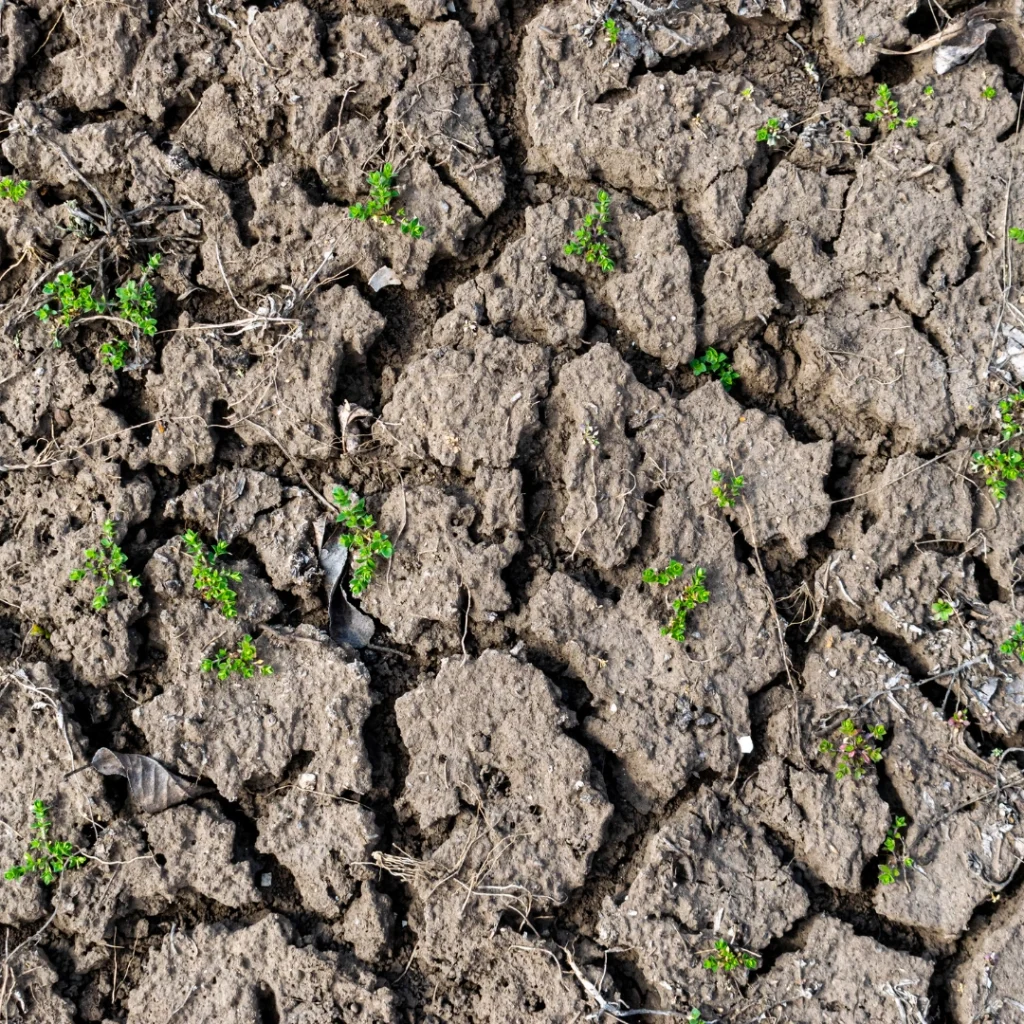
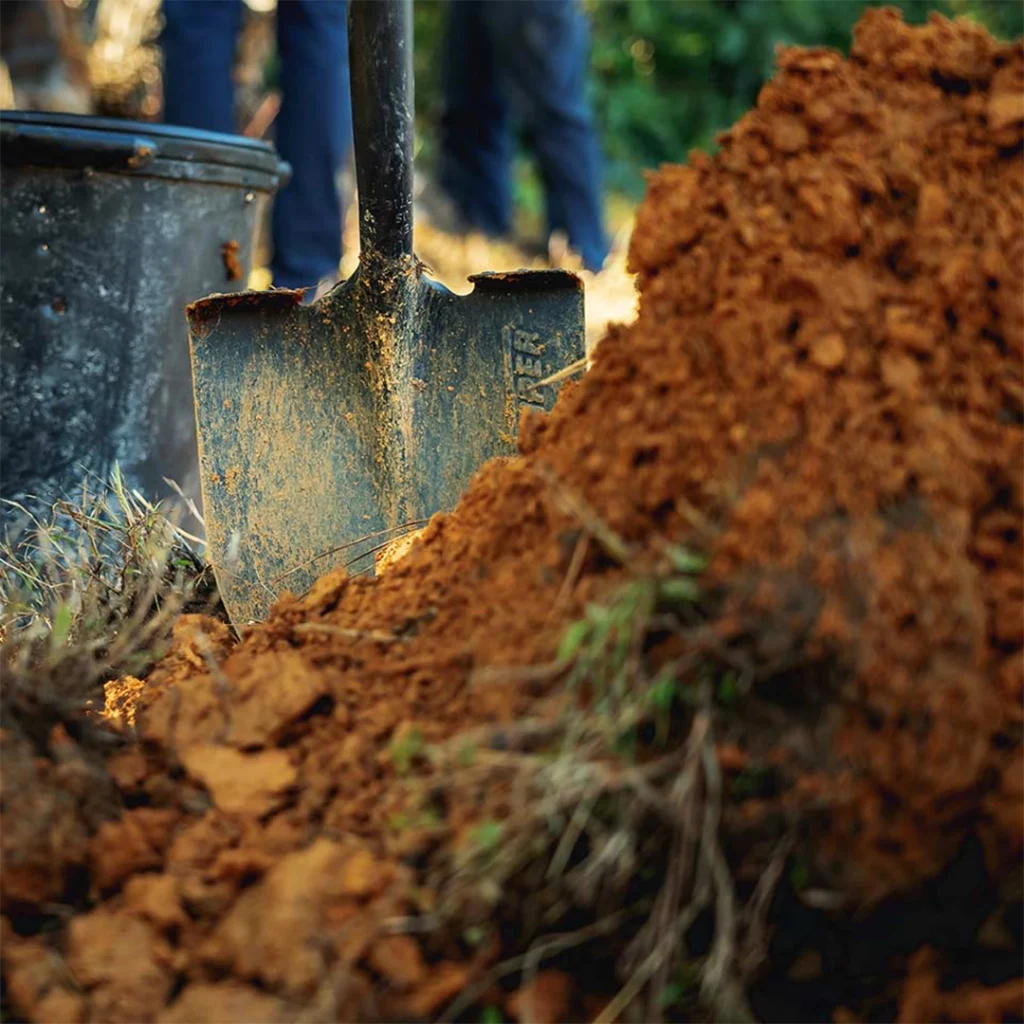
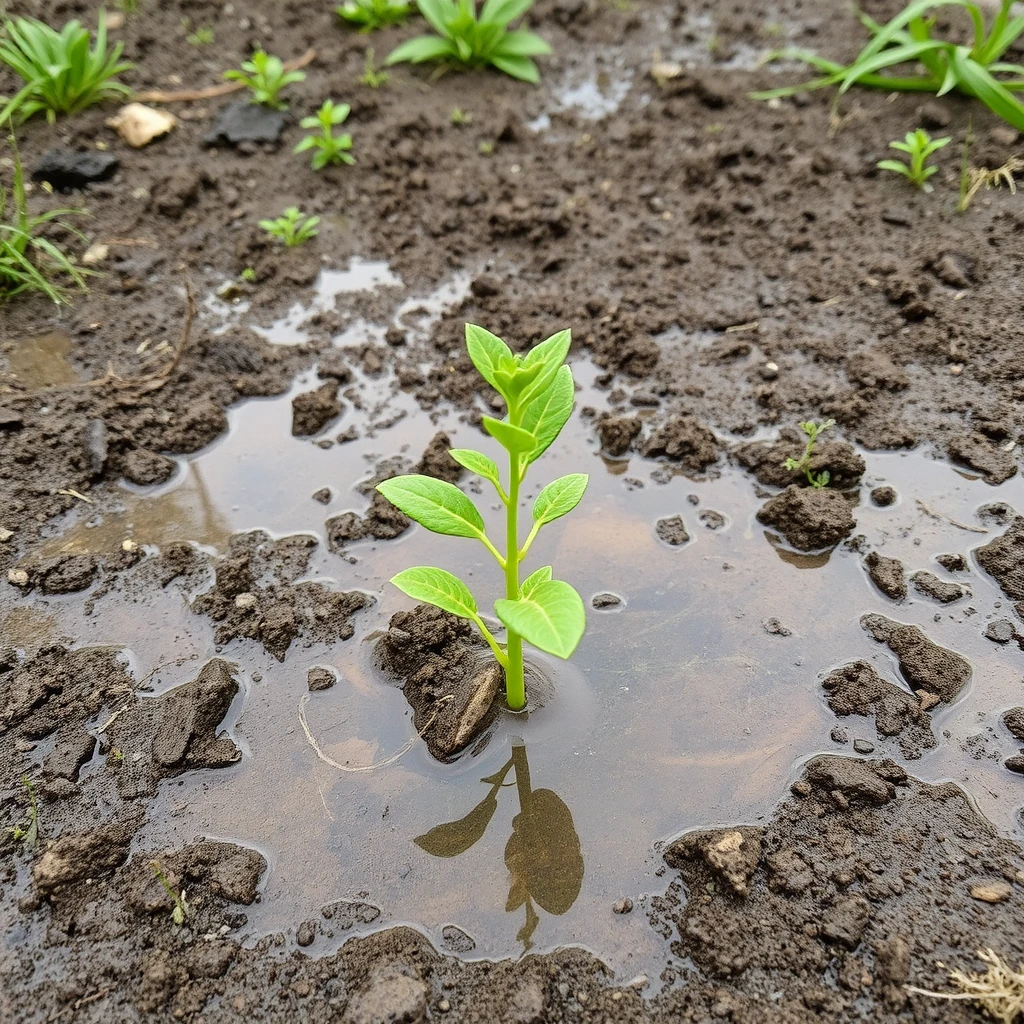
Much of Gauteng has clay-heavy soil. While it holds nutrients well, it often drains poorly, becomes compacted, and makes root growth difficult. This can lead to yellowing plants, slow growth, and waterlogged lawns.
The solution:
- Improve soil structure with organic compost and well-rotted manure
- Incorporate gypsum to help break down compacted clay
- Use raised beds for sensitive plants
- Mulch regularly to improve soil health over time
Healthy soil is the foundation of a healthy garden — investing here pays off everywhere else.
2. Gardens Struggling in Summer Heat
The problem:
Intense summer sun, heatwaves, and inconsistent rainfall can stress plants, scorch lawns, and increase water usage.
The solution:
- Choose indigenous and water-wise plants that are adapted to local conditions
- Group plants with similar water needs together
- Install mulch to reduce evaporation and regulate soil temperature
- Water deeply but less frequently, ideally early morning
A climate-smart garden doesn’t fight the environment — it works with it.

3. Lawn That Never Looks Quite Right
The problem:
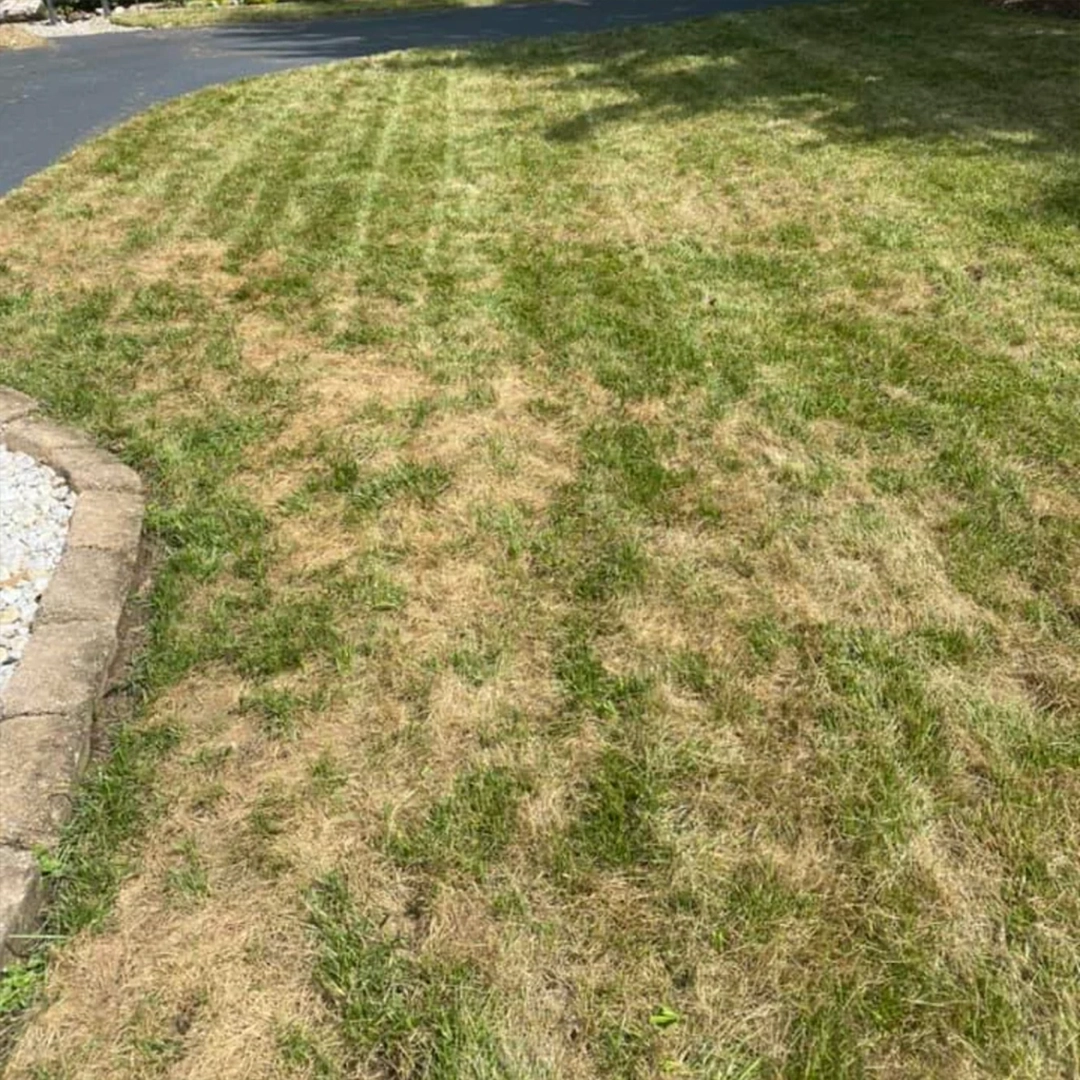
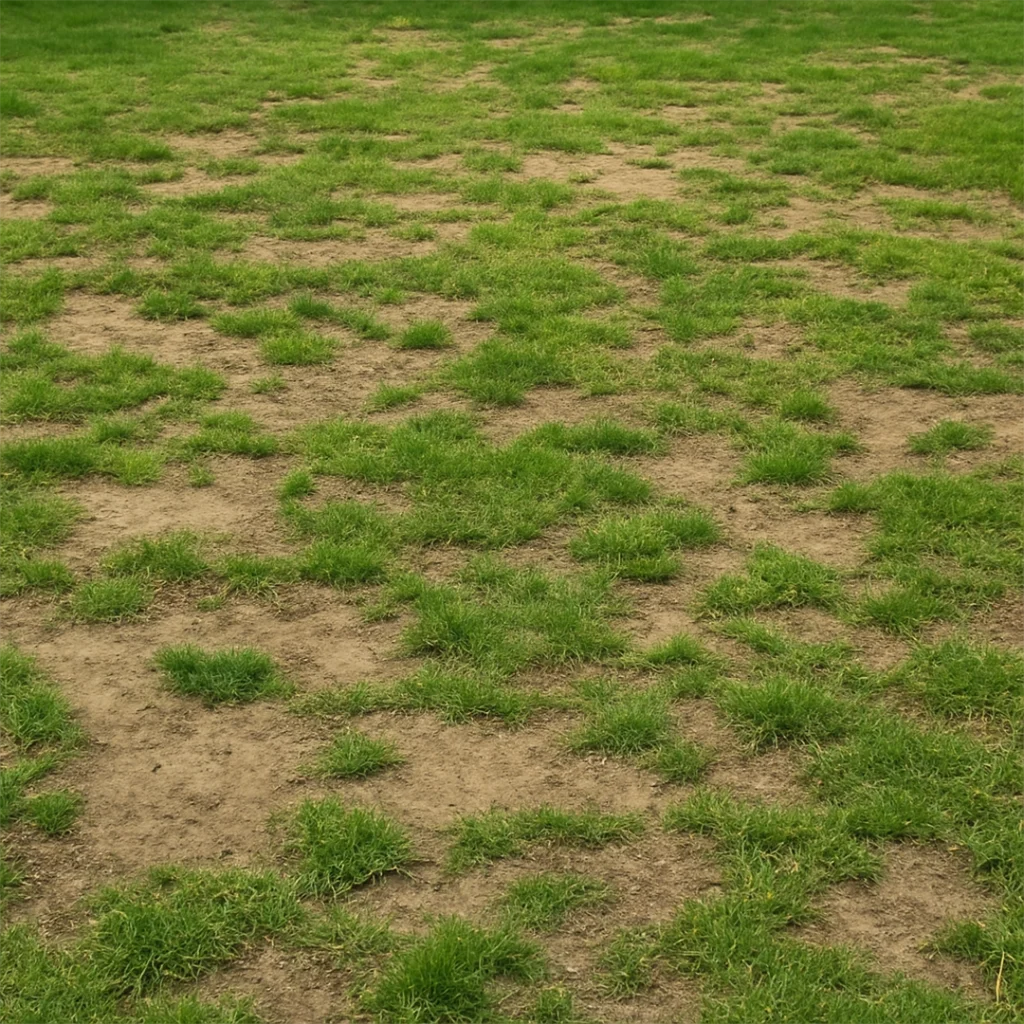
Patchy growth, thinning grass, weeds, and poor colour are extremely common in Gauteng lawns, especially after winter or periods of drought.
The solution:
- Ensure proper soil preparation and leveling before planting
- Choose lawn varieties suited to sun or shade conditions
- Aerate compacted lawns annually
- Feed with a seasonal lawn fertiliser programme
Sometimes the issue isn’t maintenance — it’s that the lawn was never set up correctly in the first place.
4. Pests and Plant Damage
The problem:
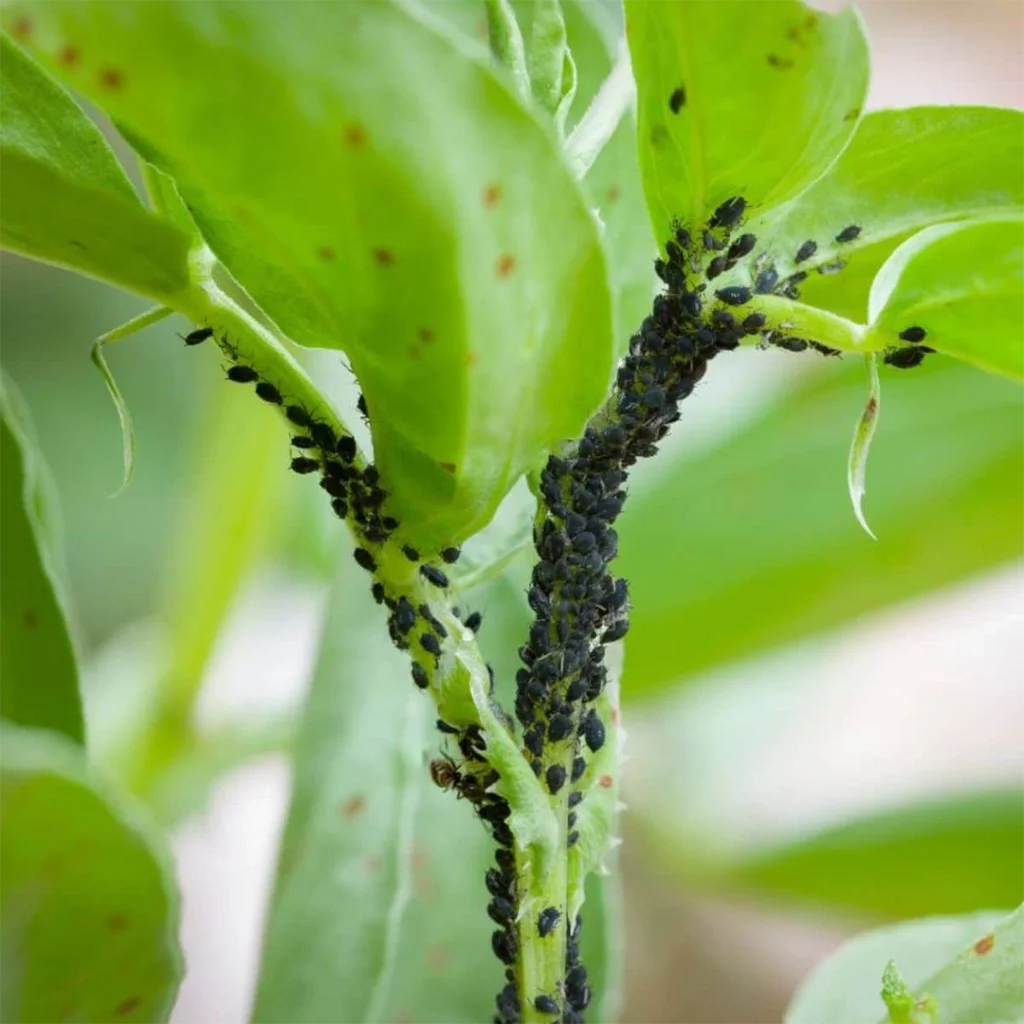
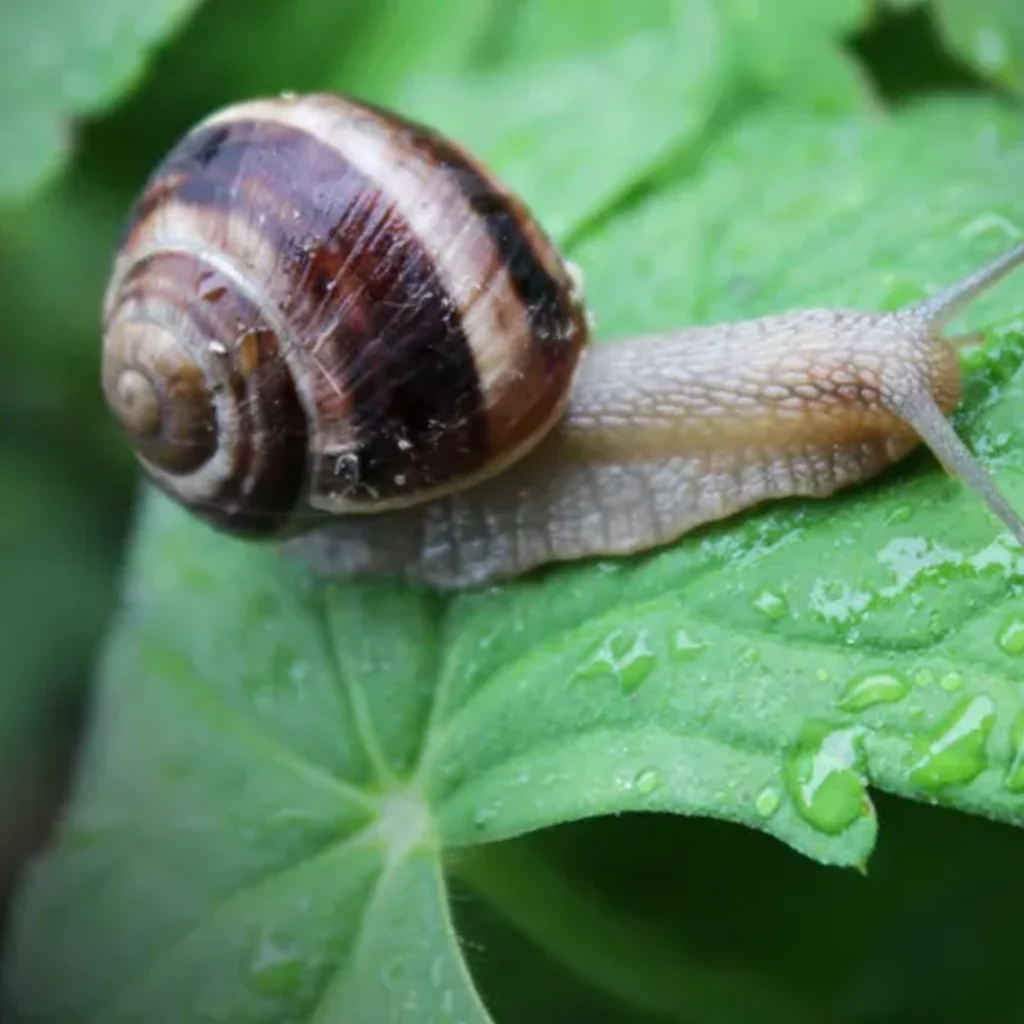
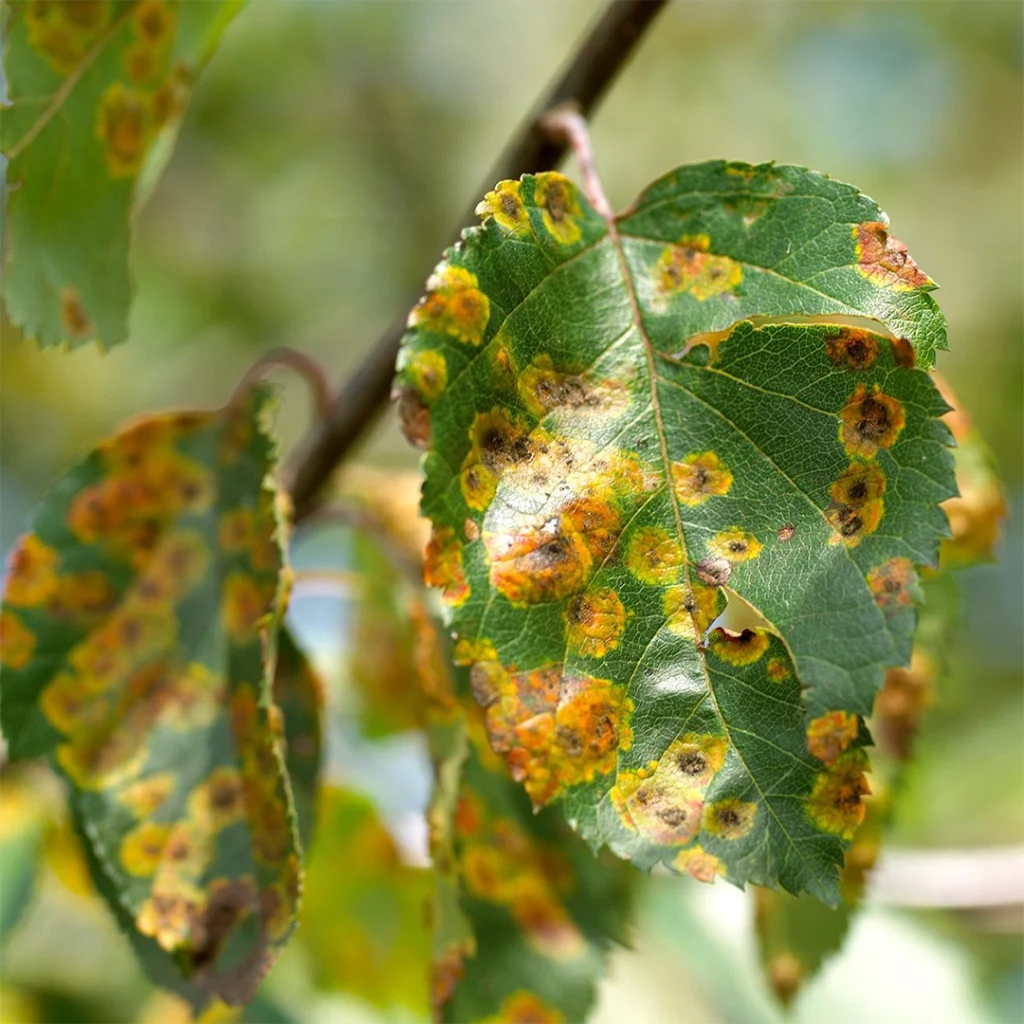
Aphids, caterpillars, snails, ants, and fungal diseases thrive in warm conditions and can quickly damage plants.
The solution:
- Encourage beneficial insects through plant diversity
- Use organic or low-toxicity treatments where possible
- Avoid overwatering, which encourages fungal issues
- Regular inspections to catch problems early
A well-balanced garden ecosystem reduces the need for harsh chemical interventions.
5. High Water Bills and Inefficient Irrigation
The problem:
Manual watering or poorly designed irrigation systems often waste water while still leaving plants stressed.
The solution:
- Install professionally designed irrigation systems
- Use drip irrigation for beds and shrubs
- Adjust watering schedules seasonally
- Ensure proper zoning based on plant water needs
Smart irrigation saves money, time, and water — while improving plant health.
6. Gardens That Look Good… Briefly
The problem:
Many gardens look great for a season but decline quickly because plants were chosen for appearance rather than longevity and suitability.
The solution:
- Prioritise long-term garden planning
- Select plants based on growth habits, size, and maintenance needs
- Blend evergreen structure with seasonal colour
- Design for year-round interest, not just instant impact
A great garden should mature beautifully, not constantly need replacing.
Designing Gardens That Thrive in Gauteng
Every garden faces challenges — but with the right design, plant choices, and maintenance approach, those challenges become opportunities. At The Landscape Design Company, we believe in creating gardens that are practical, sustainable, and beautiful year-round.
Whether you’re struggling with soil, water, plant health, or overall layout, the solution usually starts with a thoughtful landscape design tailored to Gauteng conditions.
If you’d like help transforming your garden into a space that truly works for your lifestyle and climate, we’d love to help. 🌿