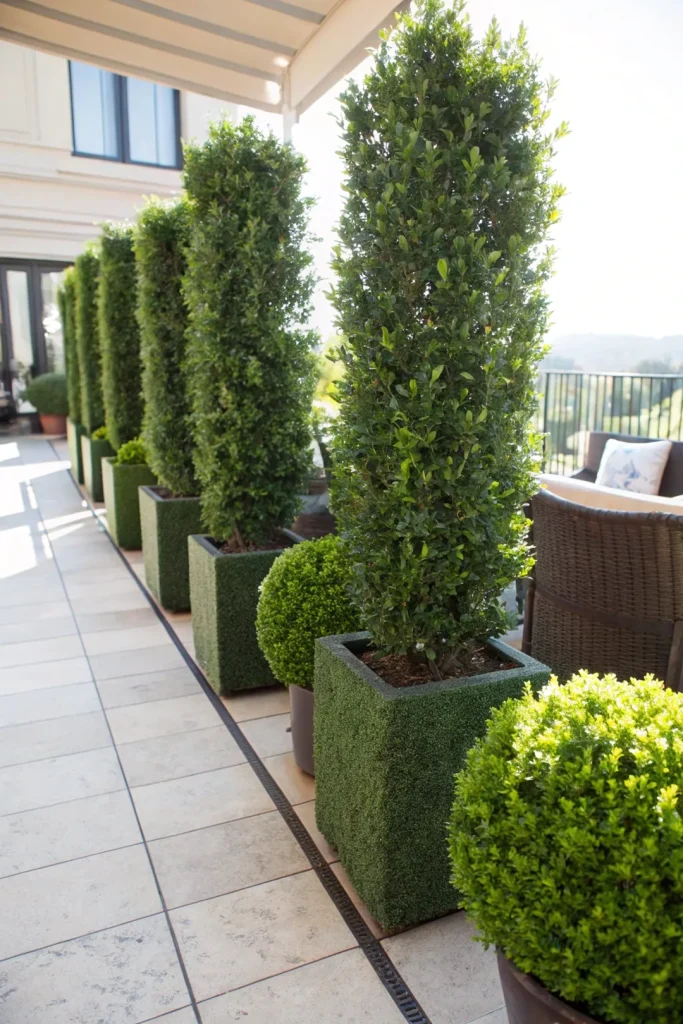
Not every homeowner in Gauteng has a large yard, but small spaces can still become breathtaking gardens with the right design approach. Compact areas offer an opportunity to be creative and intentional, transforming even the smallest corner into a relaxing outdoor retreat. At The Landscape Design Company, we help clients make the most of limited space by combining smart design, practical plant choices, and clever features. Here are our top tips for turning small spaces into beautiful gardens.
Use Vertical Space to Expand the Garden
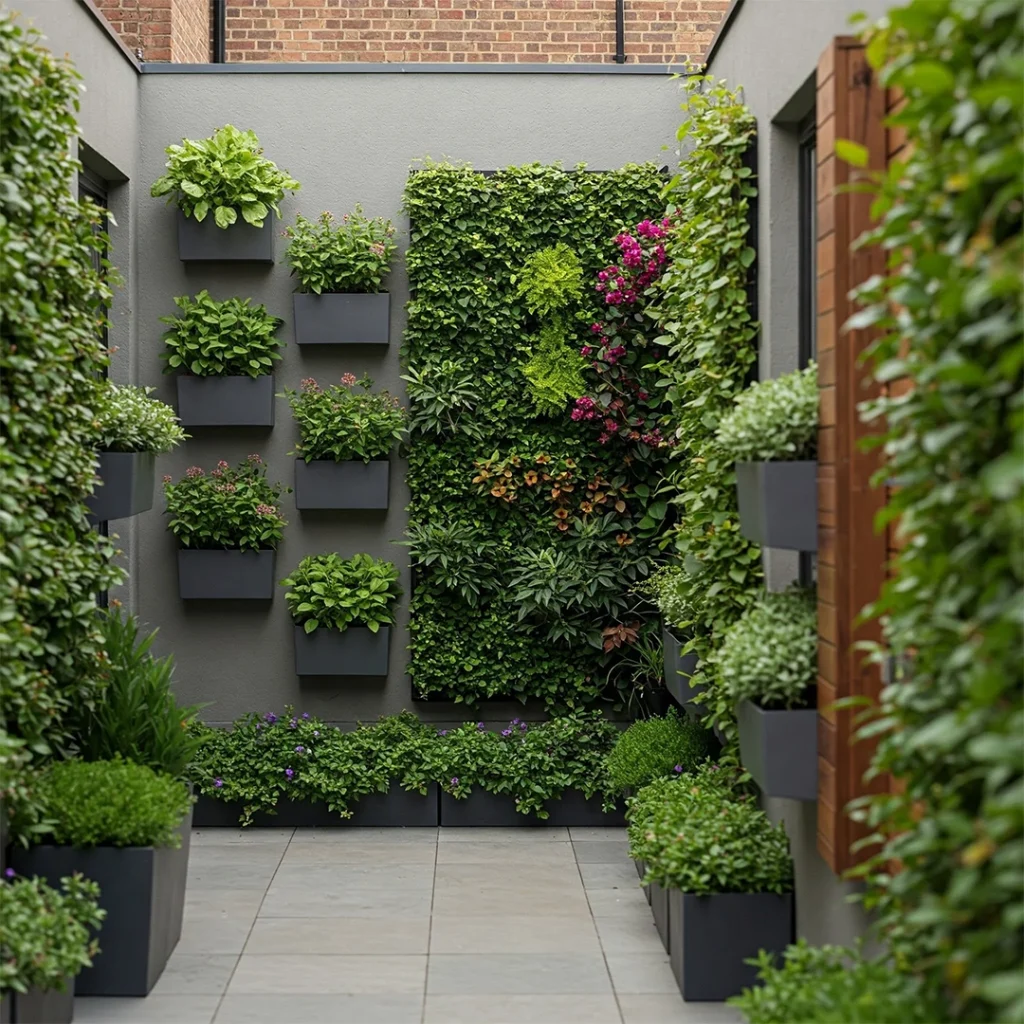
When ground space is limited, vertical space becomes your best friend. By thinking upward instead of outward, you can dramatically increase your planting area without crowding your garden floor. Here are some smart ways to maximise vertical space:
- Wall-mounted planters: Attach planters directly to walls, fences, or railings to grow flowers, succulents, or even vegetables. These not only save space but also transform blank walls into living art.
- Trellises for climbing plants: Use trellises or lattices to encourage vines, peas, beans, or flowering climbers to grow vertically. This not only adds height and texture but can also create natural privacy screens or shade.
- Vertical herb gardens: Perfect for small patios or balconies, vertical herb gardens keep fresh herbs within easy reach while freeing up counter or ground space. Pocket planters, stacked pots, or hanging towers work beautifully for this.
- Tall pots that draw the eye upward: Planting in tall or stacked containers gives your garden a layered look, adding depth and dimension. This technique draws attention upward, making even a tiny garden feel more expansive.
By using vertical gardening strategies, you can create lush, vibrant greenery without taking up precious floor space. Walls, fences, and corners can become living features, softening hard surfaces and bringing your garden to life from the ground up.
Choose Plants That Stay Compact
In a small garden, every plant counts. Choosing species that remain compact ensures your space doesn’t feel overcrowded and keeps your garden looking neat, open, and inviting. For gardeners in Gauteng, there are several excellent options:
- Buchu: This fragrant, low-growing shrub adds both scent and charm without spreading out too much. It’s perfect for borders, small beds, or even container planting.
- Dwarf aloe varieties: These hardy succulents provide sculptural interest and require minimal maintenance. Their compact size makes them ideal for filling small gaps or creating striking focal points.
- Small ornamental grasses: Grasses like Pennisetum or Carex bring movement and texture to a garden. Choosing dwarf or slow-growing varieties keeps them from overwhelming the space while adding softness and contrast.
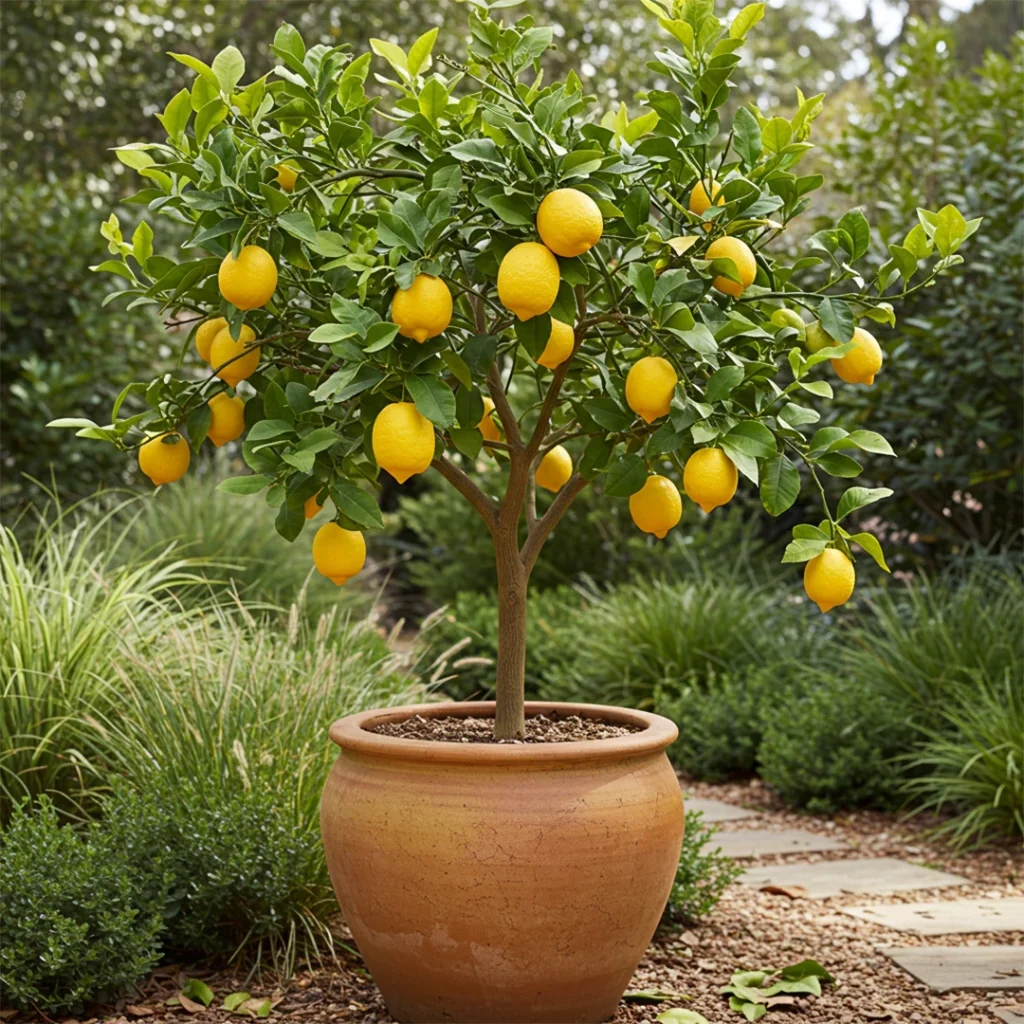
- Dwarf citrus trees: Compact citrus trees deliver the bonus of sweet fragrance and seasonal fruit, all without dominating your garden. They work well in pots, on patios, or as small accent trees.
By selecting plants that stay compact, you can create a balanced garden where every plant has room to breathe. The result is a tidy, open, and visually appealing space that feels larger than it really is.
Create Zones to Add Structure
Even in a small garden, a sense of order can make the space feel much larger. By dividing your garden into distinct zones, you create purpose and flow, guiding visitors through the area while making it visually interesting. Here are some ways to add structure:
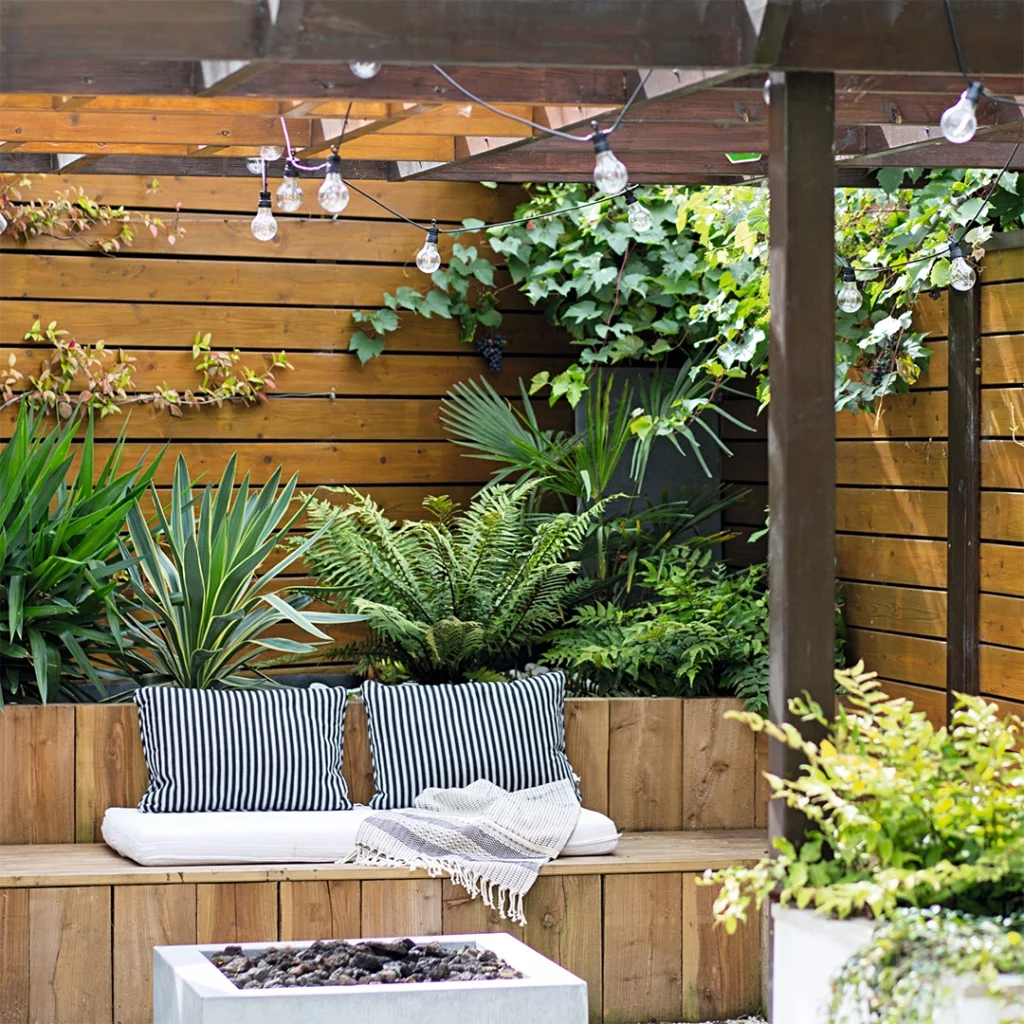
- A seating corner with a small table: Even a single chair or a tiny bistro set can create a cozy retreat. Placing furniture strategically establishes a functional zone and invites relaxation without taking up too much space.
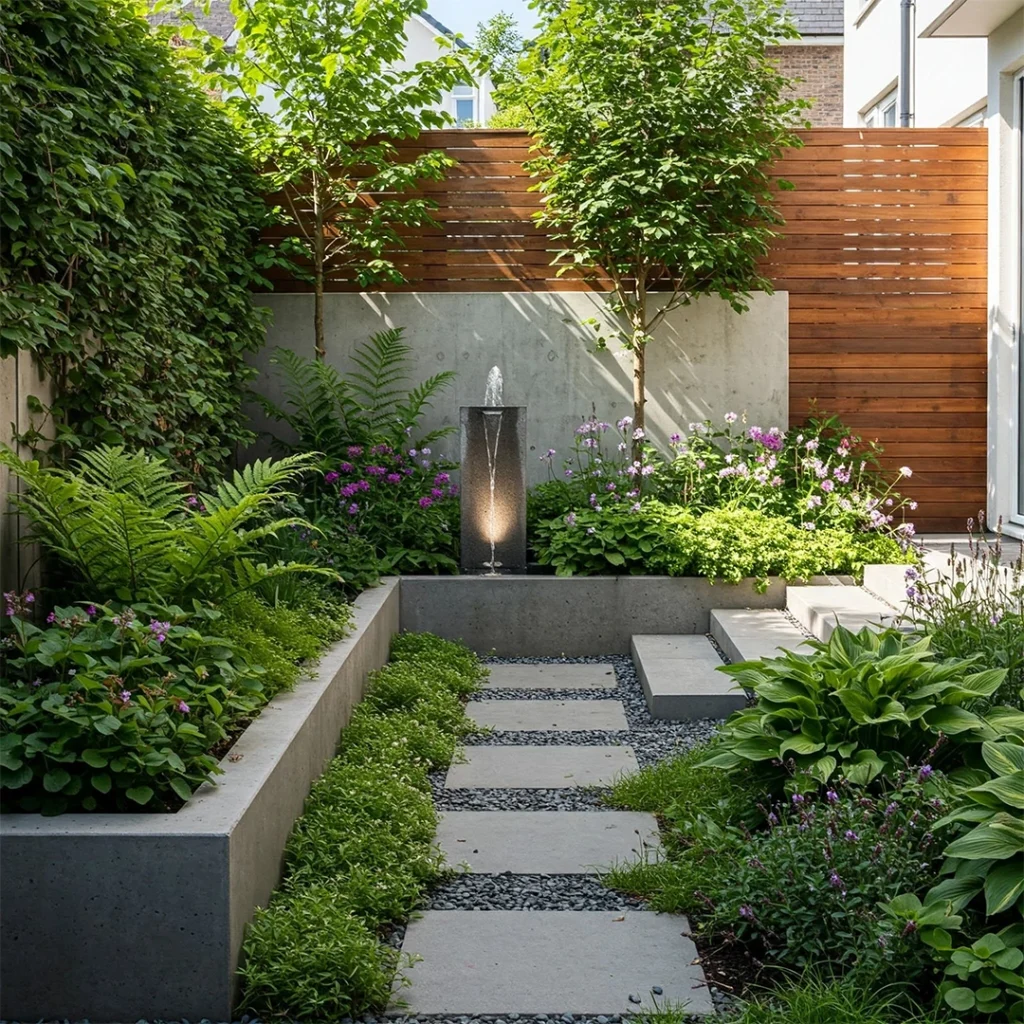
- A raised planter bed for structure: Raised beds help define planting areas, making the garden appear more organized. They also allow for easier maintenance and add visual height, giving the garden a layered look.
- A water feature placed in a corner to draw the eye: Small fountains or birdbaths attract attention and create a focal point. Positioning them thoughtfully can make a tight garden feel more expansive and tranquil.
- A stepping stone pathway that guides movement: Pathways naturally lead the eye and encourage movement through different areas of the garden. Even a simple path made of stones or pavers helps separate zones and adds rhythm to the space.
By creating zones, your garden becomes a series of mini-spaces, each with its own purpose and charm. This sense of structure not only keeps the garden organized but also enhances the feeling of spaciousness, making every corner feel intentional and inviting.
Use Light and Colour to Enlarge the Space
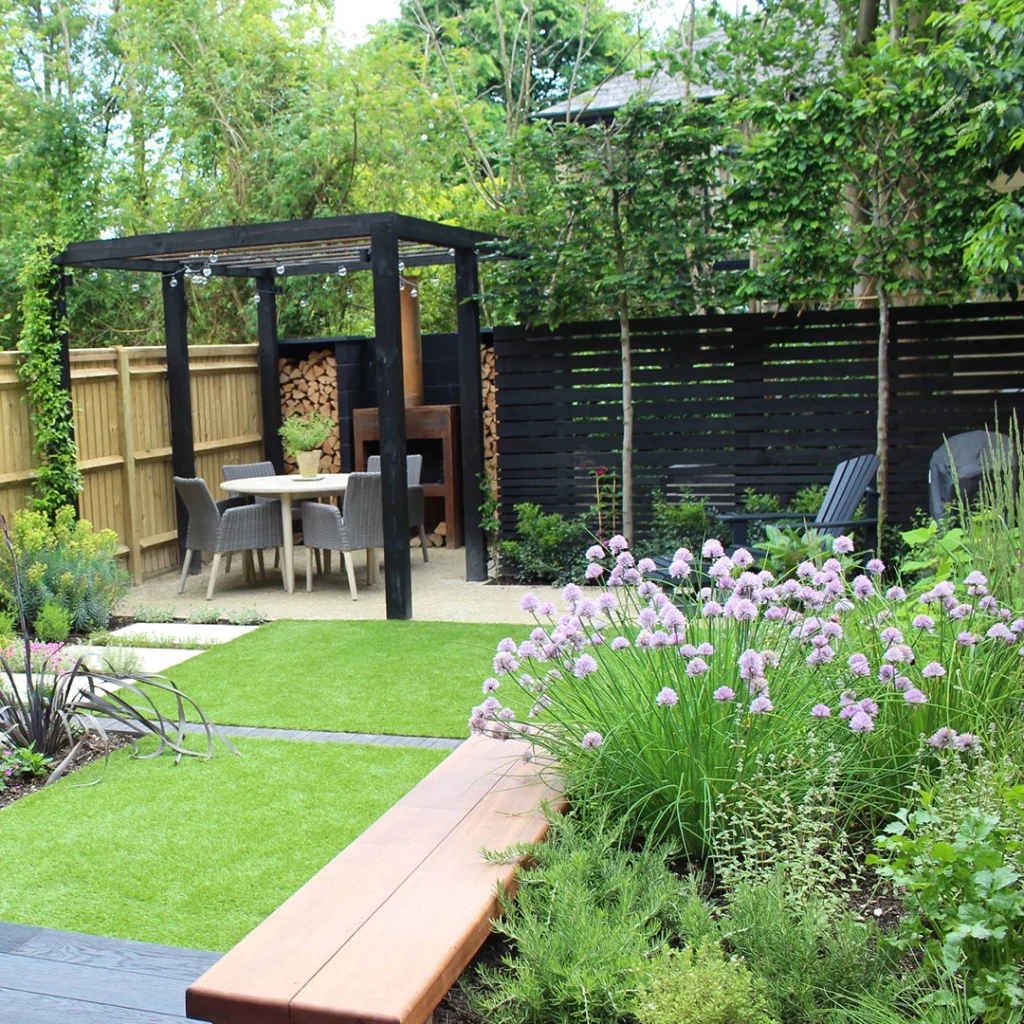
In small gardens, the way you use light and colour can dramatically change how spacious the area feels. Clever choices can create the illusion of a larger, brighter, and more inviting garden. Consider these strategies:
- Use lighter coloured paving stones: Light tones reflect sunlight, making paths and patios feel bigger and more open. They also provide a neutral backdrop that allows plants to stand out.
- Add mirrors or reflective surfaces: Strategically placed mirrors or shiny elements on walls or fences can bounce light around the garden. This simple trick visually doubles the space and adds depth.
- Choose bright flowering plants to create focal points: Pops of colour draw the eye and make the garden feel dynamic. Selecting a few vibrant blooms in key spots can guide attention and give the illusion of a larger area.
- Keep pathways and borders clean to reduce visual clutter: Minimalist lines and tidy edges prevent a small garden from feeling cramped. Clear, simple layouts let the eye move freely, enhancing the sense of openness.
By thoughtfully combining light and colour, even narrow or compact gardens can feel airy and welcoming. These subtle design choices create a sense of space, making your garden appear larger than it really is while maintaining charm and personality.
Choose Multi-Purpose Features
In a small garden, every element should pull double duty. Multi-purpose features help you make the most of limited space without compromising on beauty or function. Consider incorporating:
- Built-in seating that also serves as storage: Benches with hidden compartments provide a place to sit while keeping tools, cushions, or garden supplies neatly tucked away. This reduces clutter and keeps the garden organized.
- Planters that double as privacy screens: Tall planters or container walls can separate areas while adding greenery. They act as living partitions, giving privacy without the need for fences or walls.
- Water features that act as both decor and ambient sound: A fountain or small pond can be visually striking and also create soothing background noise, enhancing the atmosphere without taking up extra space.
- Raised beds that define zones while providing planting space: Raised beds can mark different garden areas and serve as functional planting spaces. They give structure, height, and depth, helping your garden feel organized and layered.
By choosing features that serve multiple purposes, you maximise both style and function. This approach keeps your small garden practical, uncluttered, and visually appealing, making every element count.
Smart multifunctional design keeps the space clean, stylish, and efficient.
Small gardens hold huge potential when designed thoughtfully. With smart plant choices, clever flow, and creative use of vertical and multifunctional elements, even the most compact outdoor area can become a beautiful and inviting retreat — truly turning small spaces into beautiful gardens.
At The Landscape Design Company, we specialise in transforming limited outdoor spaces into standout features that enhance your lifestyle and elevate your home’s value. No matter the size of your garden, we can help you unlock its full potential and enjoy a space that feels larger, greener, and truly yours.