
Creating a beautiful, functional outdoor space is more than just planting a few flowers or rolling out a lawn. Exceptional professional landscape design is intentional — it’s about crafting a design that balances form, function, and personality, transforming your outdoor area into a natural extension of your home. Every choice — from layout and plant selection to materials and lighting — plays a role in how your garden looks, feels, and lives.
Whether you’re starting from scratch or revitalising an existing space, understanding the key elements of landscape design helps you make decisions that stand the test of time. The challenge, however, lies in how these elements interact — how texture, colour, line, and form come together to create harmony. That’s where a professional touch makes all the difference.
At The Landscape Design Company, we use these foundational principles to design and build gardens that not only look beautiful but also thrive in the Johannesburg and Gauteng climate. Here are the essential design elements we focus on to bring every outdoor space to life:
1. Line
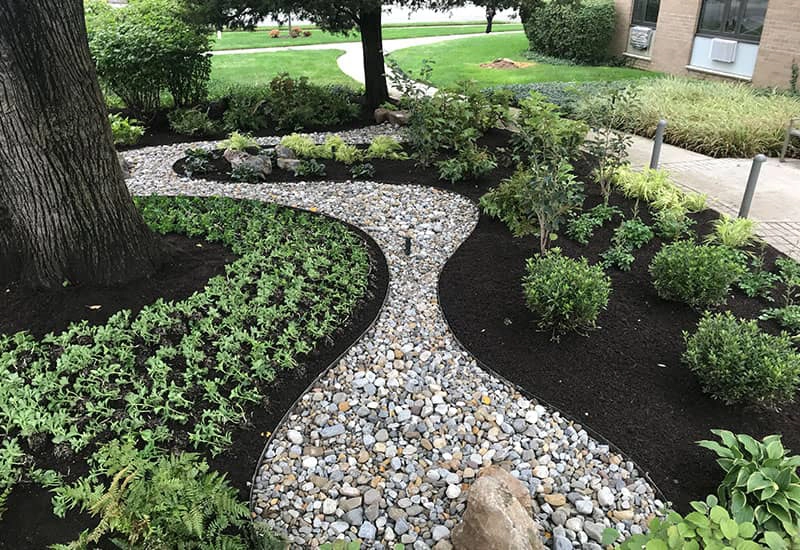
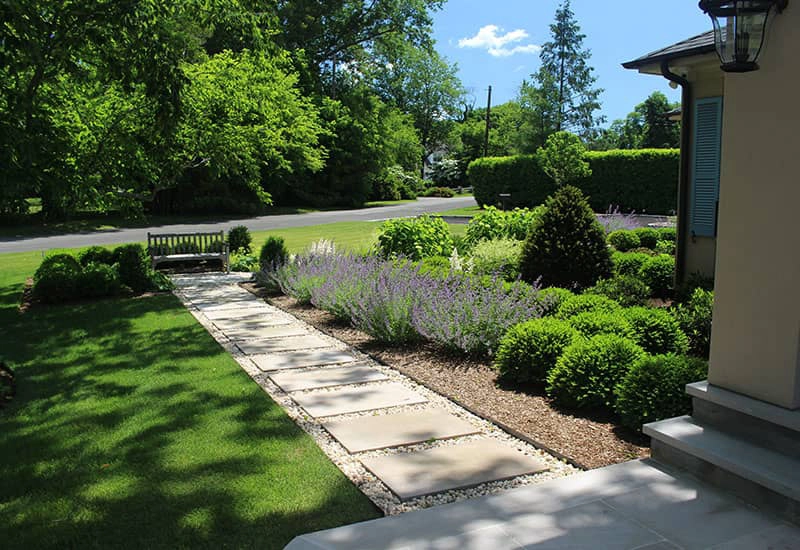
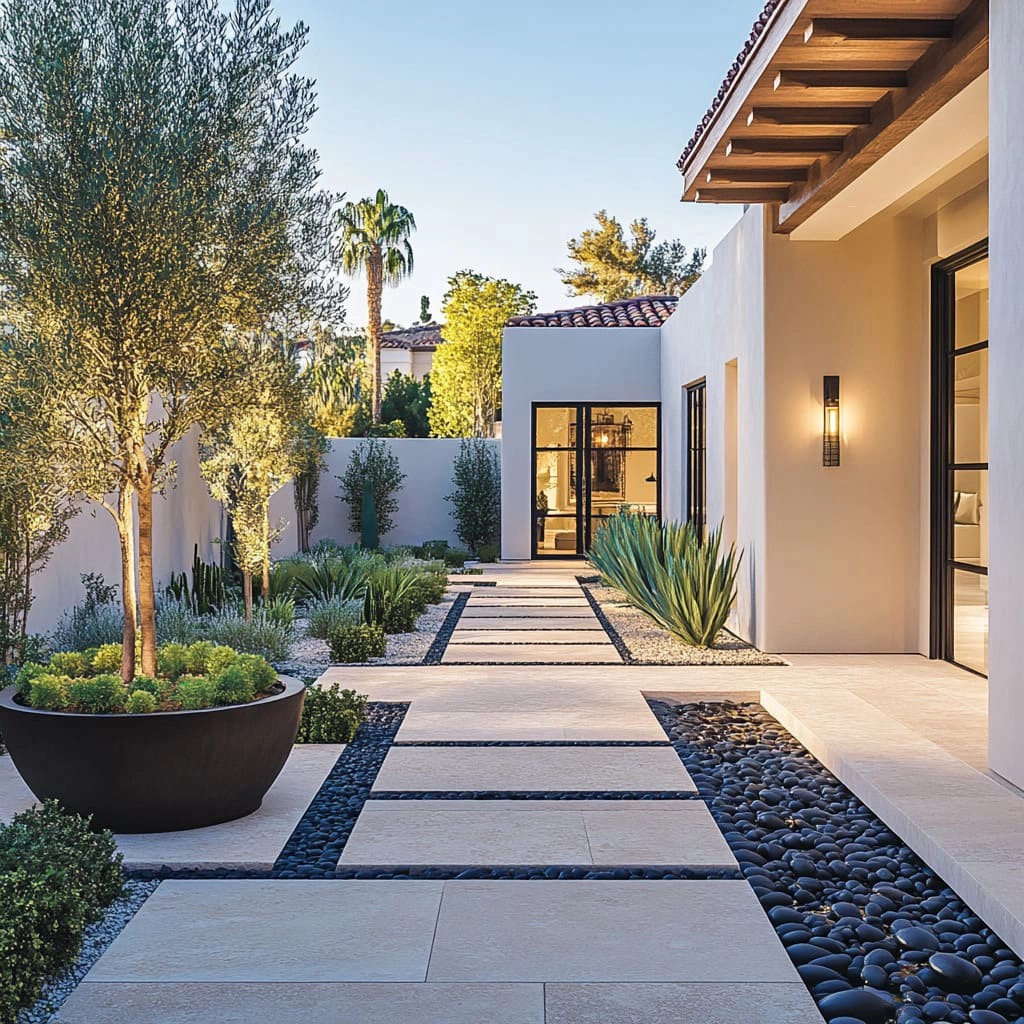
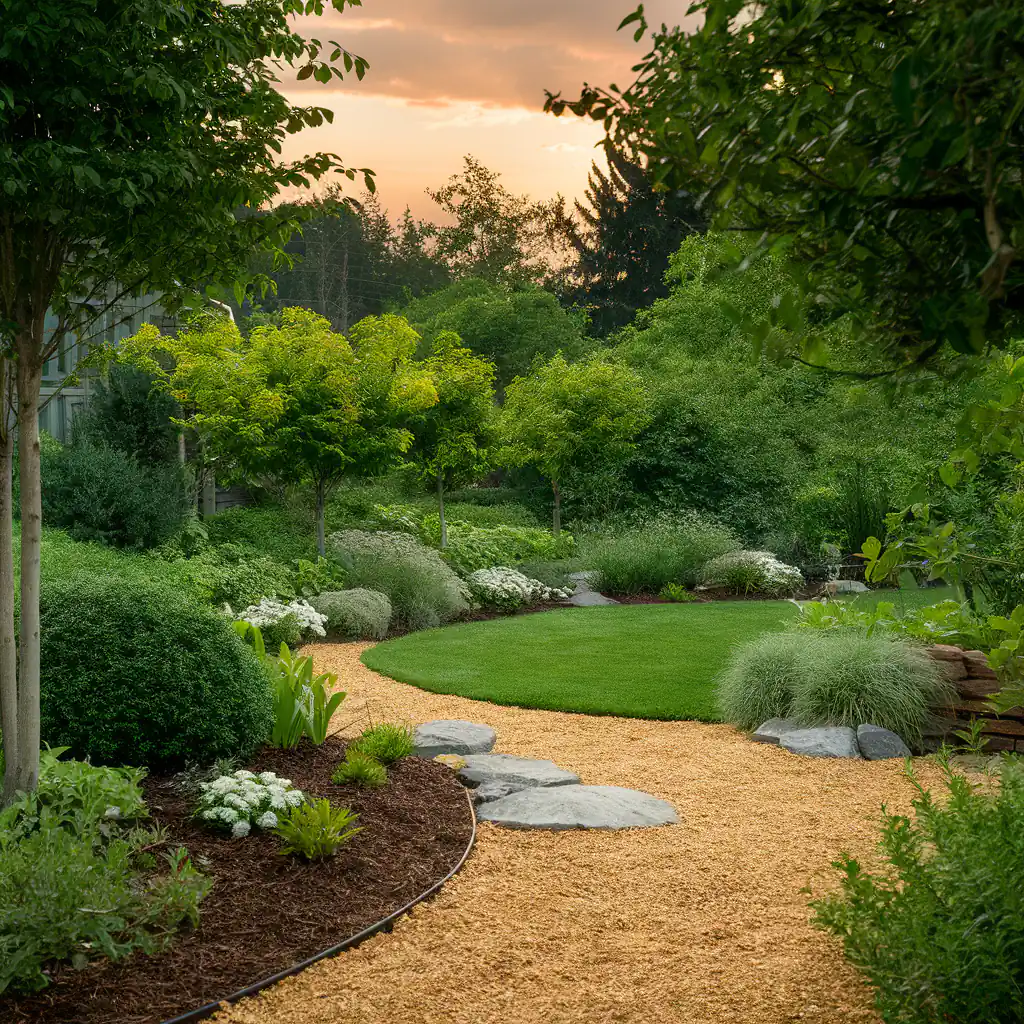
Lines guide the eye and shape the way we experience a garden. They create movement, rhythm, and a sense of direction — leading visitors naturally from one area to another. Curved lines feel organic and calming, echoing the gentle flow of nature; they soften hard edges and invite exploration, making them ideal for pathways, planting borders, and relaxed outdoor spaces. Straight lines, on the other hand, introduce order and precision — they anchor the design, emphasise symmetry, and work beautifully in modern or formal gardens.
Whether you’re tracing the edge of a lawn, defining a flower bed, or aligning paving stones, the lines you choose determine how your landscape feels — fluid and inviting, or structured and intentional. Thoughtful use of lines ensures every element in your garden connects harmoniously, creating balance between movement and stillness.
2. Form
The shapes within your garden define its character and mood. Every tree, shrub, and garden bed contributes to the overall composition – creating rhythm, balance, and visual interest. Rounded forms feel soft and welcoming, adding a sense of calm and flow. Vertical forms, like tall grasses or upright trees, add drama and draw the eye upward, giving a sense of height and energy. Horizontal forms, such as low hedges or sprawling groundcovers, ground the design and make spaces feel more open and expansive.
By combining different shapes thoughtfully, you can guide how a space feels – structured or relaxed, intimate or grand. The art lies in creating harmony between contrasts: bold against subtle, tall against low, curved against straight. When the forms in your garden work together, the result is a landscape that feels balanced, intentional, and full of life.
3. Colour
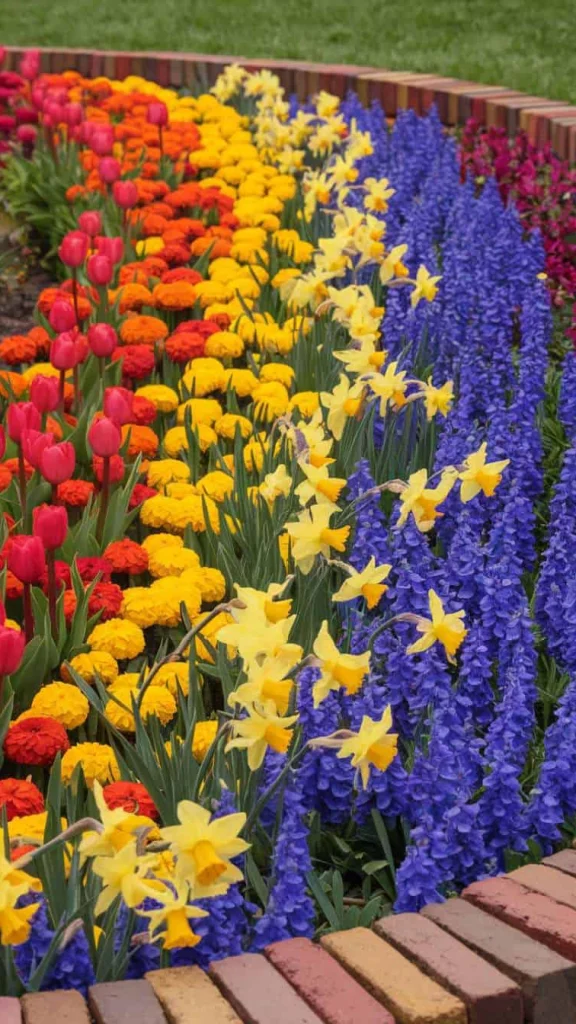
Colour sets the emotional tone of your landscape. It’s one of the most powerful tools in garden design, shaping how a space feels at first glance. Warm tones — reds, oranges, and yellows — bring energy, vibrancy, and a sense of movement, making them ideal for entertaining areas or focal points you want to draw attention to. Cool hues like greens, blues, and purples evoke calm, harmony, and relaxation — perfect for tranquil corners, water features, or shaded retreats.
Beyond individual plant choices, a carefully planned colour palette brings cohesion to the entire landscape, tying planting beds, hardscaping, and architecture together. Thoughtful use of contrast and repetition ensures your garden feels intentional rather than chaotic. When balanced correctly, colour enhances not just the beauty of your outdoor space, but also the mood and experience it creates — complementing your home’s exterior and reflecting your personal style.
4. Texture
Texture adds depth, contrast, and richness to your landscape. From the smooth blades of ornamental grasses to the rugged bark of trees or glossy evergreen leaves, texture makes a garden feel alive and layered. It’s both visual and tactile — something you see and sense.
By mixing fine, medium, and coarse textures, you create contrast and balance. Soft foliage and flowing forms add movement, while rougher plants or hardscape elements bring weight and stability. Texture is especially valuable in winter or dry seasons, when flowers fade and colour is limited, keeping the space engaging year-round.
In Johannesburg and across Gauteng, where light and shadow shift dramatically throughout the day, texture captures the region’s natural beauty, turning even simple plantings into something extraordinary.
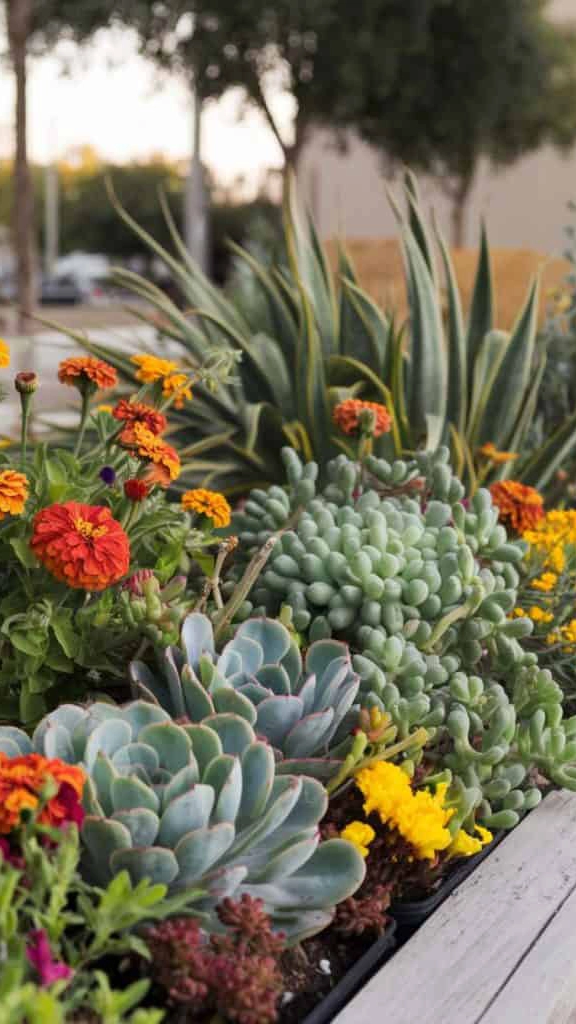
5. Scale and Proportion
A successful landscape design is not just about choosing beautiful plants or features—it’s about how well each element fits the space it occupies. Scale and proportion are fundamental principles that help a garden feel thoughtfully composed rather than haphazard. For example, a tall, dense hedge can serve as an excellent privacy screen in a sprawling yard, providing structure and seclusion. In a smaller garden, however, that same hedge could feel oppressive, cutting off light, sightlines, and the sense of openness.
Scale refers to the size of individual elements relative to the space around them, ensuring nothing feels out of place. Proportion, on the other hand, is about the relationship between different elements, such as the height of a tree compared to a patio, or the width of a pathway in relation to surrounding planting beds. Together, these principles create a sense of balance, guiding the eye naturally through the landscape and making the space feel intentional.
When scale and proportion are thoughtfully applied, a garden doesn’t just look attractive—it feels comfortable, inviting, and harmonious. Visitors can enjoy each feature without feeling cramped or overwhelmed, and the overall design flows seamlessly from one area to the next. In short, paying attention to scale and proportion transforms a garden from a collection of pretty elements into a cohesive outdoor sanctuary.
6. Unity and Balance
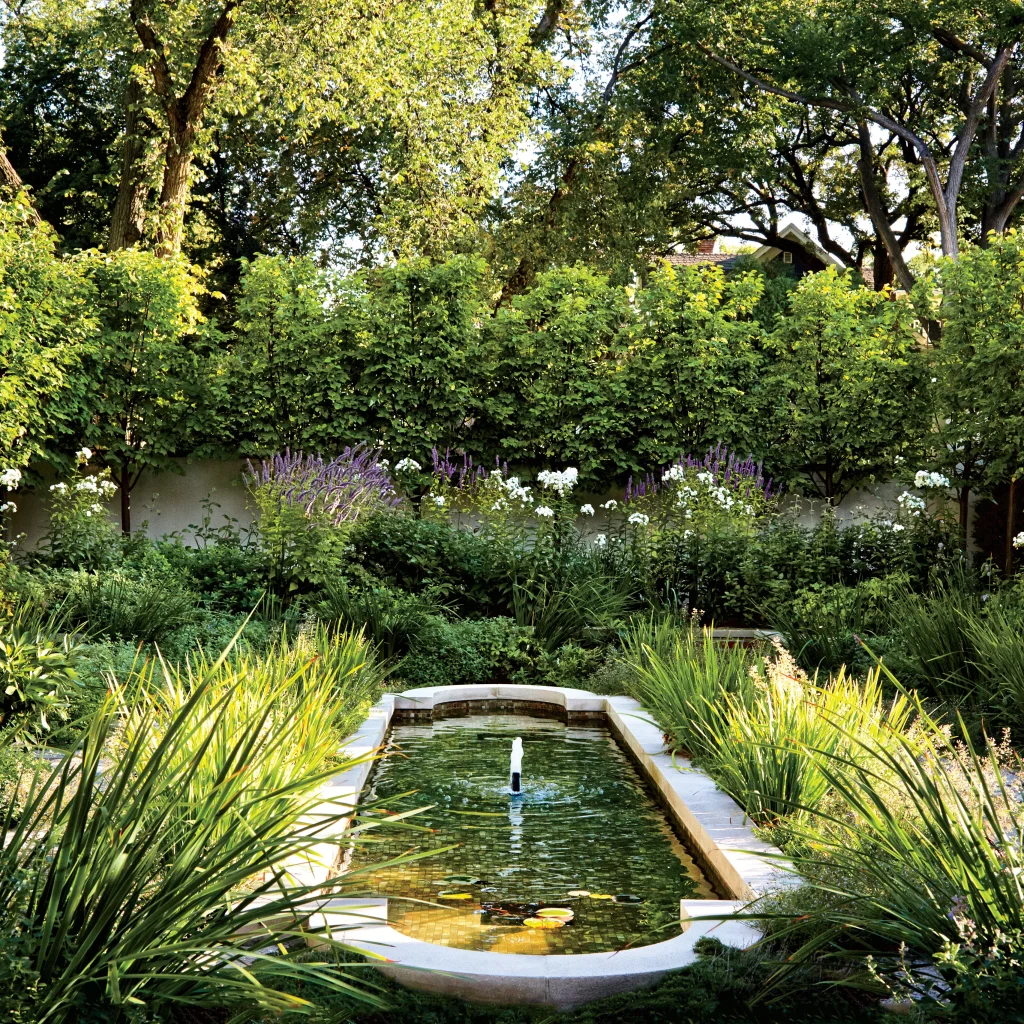
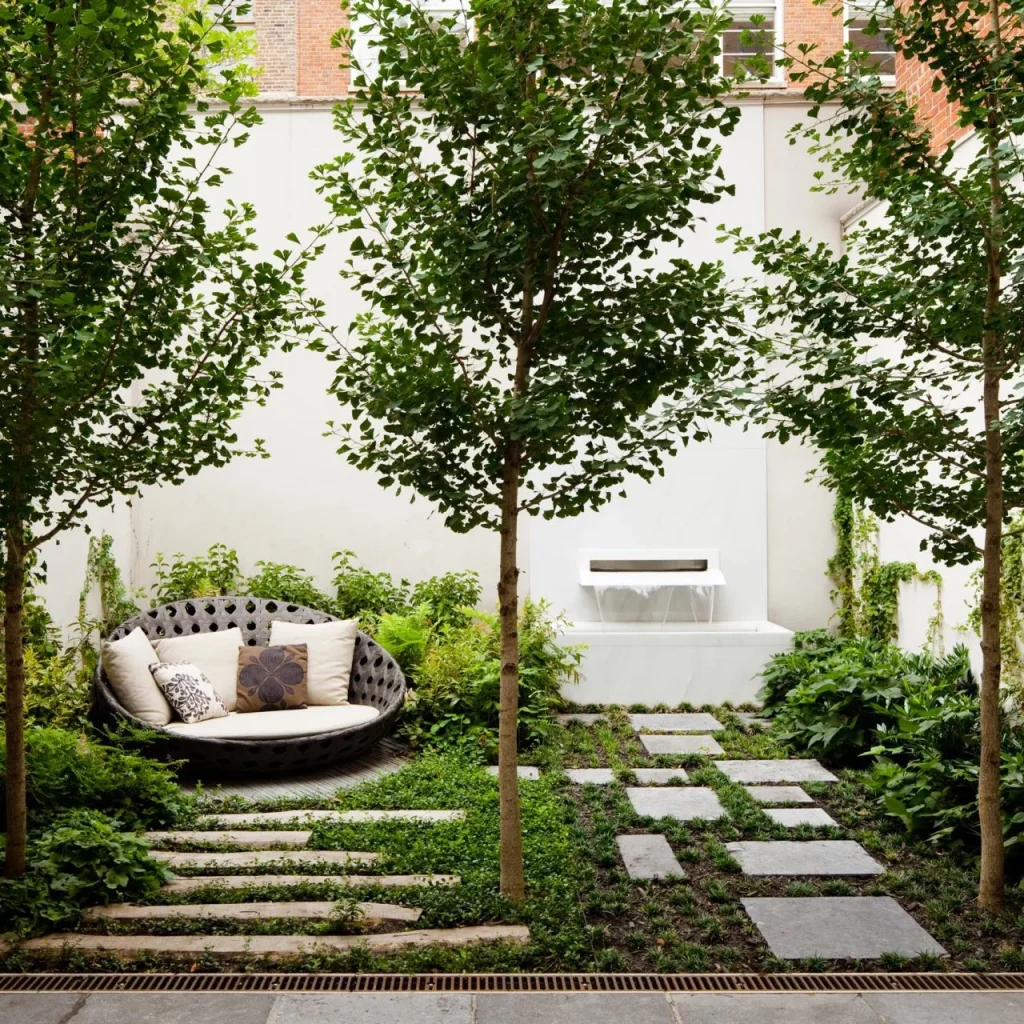
When all the elements in a landscape work together, the space feels complete and purposeful. Balance is a key part of this, but it doesn’t always mean creating a perfectly symmetrical garden. Instead, it’s about achieving visual equilibrium—arranging plants, structures, and pathways so that no single area feels too heavy or empty. For example, a large tree on one side of the yard might be countered by a grouping of shrubs or a garden bench on the other, creating a sense of harmony without mirroring each element.
A balanced landscape invites exploration. Paths guide you through lush planting beds, shaded corners offer a place to pause, and focal points draw the eye naturally from one area to the next. When a garden feels balanced, it encourages you to linger, relax, and enjoy the space rather than rush through it. In essence, balance transforms a yard from just a collection of plants and features into a cohesive, inviting environment that feels thoughtfully curated and alive.
Why Professional Landscape Design Matters
You may have a clear vision for your garden—or perhaps you’re unsure where to start. Either way, turning ideas into a cohesive, well-executed plan requires more than inspiration; it takes experience, skill, and a deep understanding of how outdoor spaces function. That’s where professional landscape design comes in.
As specialists in this field, we don’t just make gardens look beautiful—we make sure they work beautifully too. Every choice is guided by your property’s unique conditions, including sunlight, soil, drainage, and microclimates. We also consider your lifestyle: whether you enjoy entertaining outdoors, need safe areas for children, or prefer a low-maintenance retreat, each element is tailored to your needs.
Professional landscape design goes beyond aesthetics. A carefully crafted outdoor space enhances the enjoyment of your home today while adding lasting value for the future. The result is a garden that feels effortless, inviting, and uniquely yours—a place where style, function, and personal expression come together seamlessly.
Ready to Design Your Dream Landscape?
If you’re thinking about upgrading your yard, let’s talk. Whether it’s a full landscape design or a simple garden refresh, we bring creativity, expertise, and attention to detail to every project.
Email or phone us today for a consultation and let’s turn your outdoor space into something extraordinary.